If you picture classic Brooklyn living, chances are you are picturing a Park Slope brownstone. But what does day-to-day life there actually feel like once you move beyond the postcard image? If you are considering a move to Park Slope, understanding the rhythm of the neighborhood can help you decide whether this style of living fits the way you want to spend your time. Let’s dive in.
A Historic Setting Shapes Daily Life
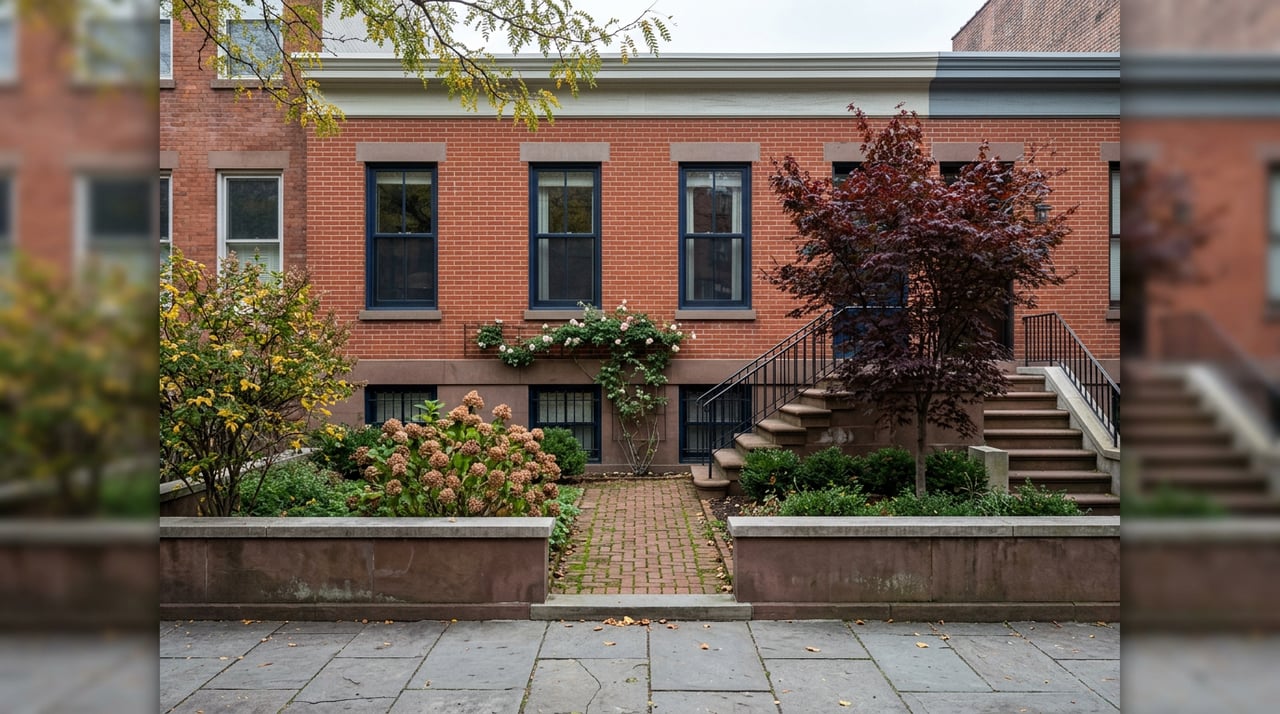
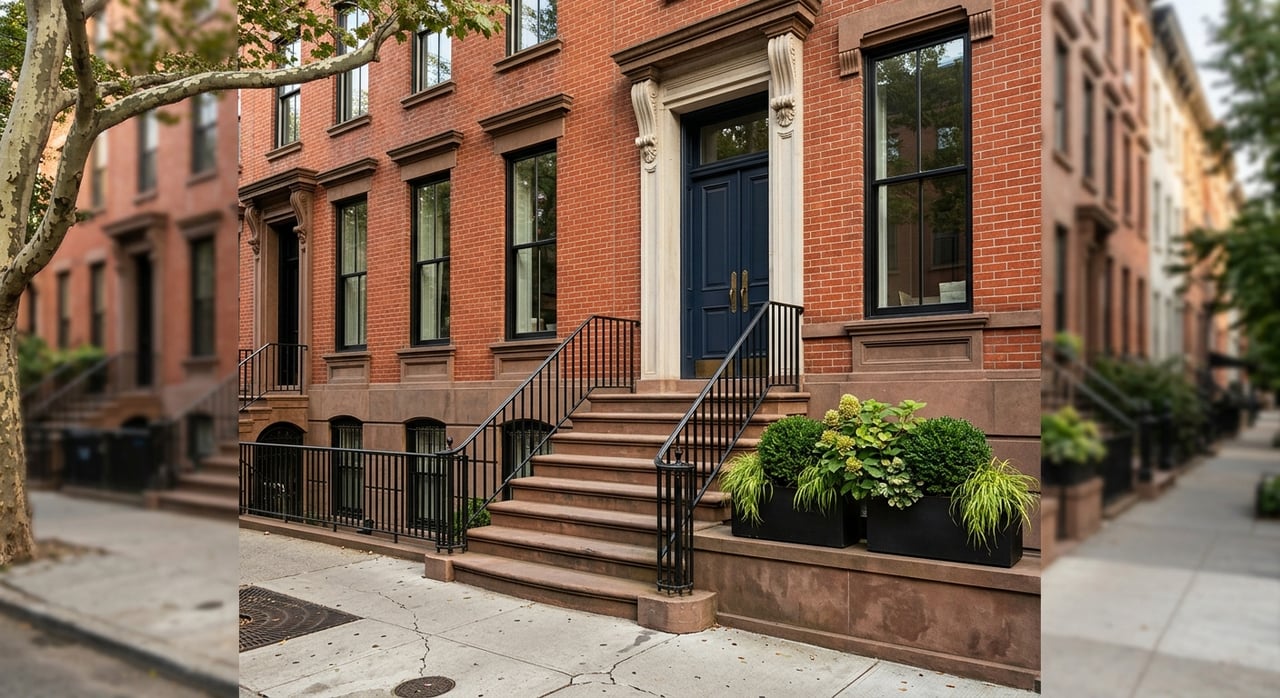
Living in a Park Slope brownstone often means living on a block defined by historic row houses, low-rise buildings, and a streetscape that feels visually consistent from one end to the other. According to the Landmarks Preservation Commission’s Park Slope Historic District materials, the area is known for its rows of masonry houses, flats buildings, and a predominantly residential scale.
That has a real effect on how the neighborhood feels when you walk outside. Instead of a tower-heavy skyline at street level, you are more likely to experience long residential blocks, stoops, mature trees, and building heights that feel human in scale. In a dense city, that can make everyday routines feel calmer and more grounded.
Brownstone Living Is Often Low-Rise Living
A Park Slope brownstone lifestyle is closely tied to older housing stock. The landmark materials note that many buildings were built between the mid-19th and early 20th centuries, and that some earlier row-house development included three- and four-story structures without elevators.
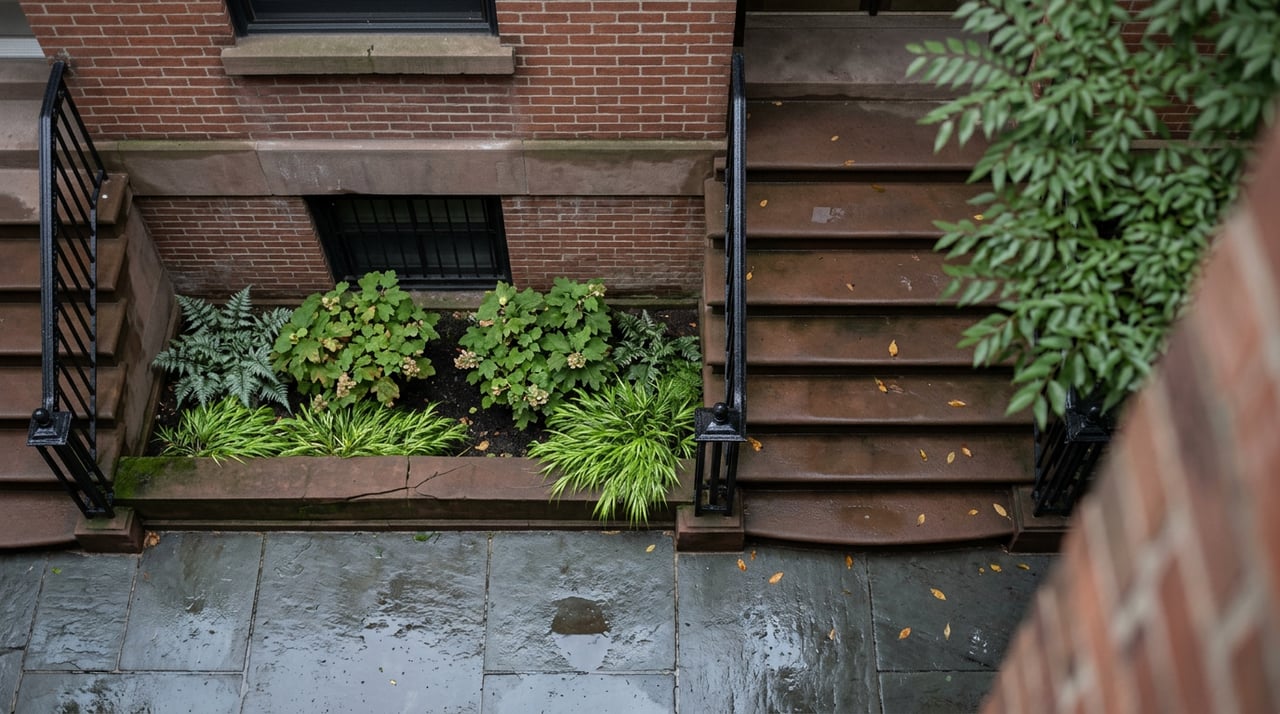
In practical terms, that often means a more vertical style of living. You may have stairs, multiple levels, older layouts, and details that reflect another era of construction. For many buyers, that tradeoff is part of the appeal because the architecture, proportions, and original character can feel hard to replicate in newer housing.
Prospect Park Becomes Part of Your Routine
One of the biggest draws of living in a Park Slope brownstone is how close you are to Prospect Park. The neighborhood sits directly west of the park, and the park itself offers a wide range of spaces and activities, from the nearly mile-long Long Meadow and the Ravine to the lake, Parade Ground, and LeFrak Center at Lakeside.
That kind of access tends to shape daily life in a meaningful way. A quick walk can turn into a morning run, a dog walk, a playground stop, or an easy weekend picnic. When a major park is this integrated into the neighborhood, outdoor time can become part of your normal week rather than something you plan far in advance.
Weekends Often Start at the Park
Park Slope weekends often revolve around the park edge and nearby public spaces. Prospect Park Alliance notes that Brooklyn’s flagship Grand Army Plaza Greenmarket operates year-round on Saturdays, and it also lists a Bartel-Pritchard Square Greenmarket.
That gives the neighborhood a distinct weekend rhythm. You can imagine starting your Saturday with coffee, picking up produce, and then heading into the park or back home with everything you need for the day. For many residents, that kind of routine is a big part of the appeal.
The Side Streets Feel Different From the Avenues
One of Park Slope’s strengths is the contrast between its residential blocks and its busier commercial corridors. The neighborhood’s day-to-day activity is concentrated along Fifth Avenue and Seventh Avenue, while many brownstone-lined side streets remain more residential in character.
That balance is useful if you want convenience without feeling like you live on top of constant activity. You can step out for dinner, groceries, or a quick errand, then return to a quieter block a few minutes later. In many ways, that is what makes Park Slope feel both urban and livable.
Fifth Avenue Brings Energy and Variety
The Park Slope Fifth Avenue BID describes Fifth Avenue as a 30-block stretch with more than 500 independently owned businesses. The corridor includes restaurants, bars, coffee houses, sidewalk cafes, shops, and a wide range of service businesses.
For you as a resident, that can translate into a lot of flexibility close to home. Casual meals, coffee stops, takeout, grocery runs, and small personal errands can often happen within the neighborhood. The BID also notes that many restaurants have backyards or sidewalk cafes, which helps give dining out a local, street-level feel.
Seventh Avenue Supports Everyday Needs
Seventh Avenue adds another layer of convenience. The Park Slope Chamber of Commerce directory shows a strong mix of cafes, bakeries, juice bars, grocery and specialty food businesses, restaurants, and other local services.
That matters because quality of life is often built on small things you do repeatedly. If your coffee shop, bagel spot, dinner option, and quick errand stops are all nearby, the neighborhood can feel easy to use. In Park Slope, many of those daily needs are handled locally rather than requiring a longer trip.
A Walkable, Car-Light Lifestyle Is Realistic
For many residents, Park Slope supports a car-light routine. The MTA’s Brooklyn neighborhood map shows multiple nearby subway stops, including 4 Av-9 St, 15 St-Prospect Park, 8 Av, and 9 Av, along with local bus routes such as the B61, B63, B67, B68, and B69.
The area also supports other ways of getting around. The Fifth Avenue BID notes that people can access the corridor by Citi Bike, the B63 bus, and several nearby subway stops. Depending on your block and your own habits, you may find that walking, biking, and transit cover much of your daily movement.
Transit Access Adds Flexibility
Transit convenience does not just help with commuting. It also makes it easier to move between Brooklyn neighborhoods, reach Manhattan, or handle a day with multiple stops. The MTA also announced that the 7 Av F/G station was made fully accessible after elevator installation, which adds another practical benefit in the area.
If you value optionality, this is a meaningful part of the Park Slope lifestyle. You can enjoy a residential setting without feeling disconnected from the rest of the city.
What the Home Experience Usually Feels Like
Inside a Park Slope brownstone, the experience often feels more personal and architectural than in a typical large building. Older townhouses and row houses can offer details, proportions, and layouts that reflect the neighborhood’s long residential history.
That said, no two properties are exactly alike. Some homes are configured as single-family residences, while others may be divided into multiple units or combine historic character with modern renovations. If you are exploring the neighborhood, it helps to think not just about the block, but also about how a specific building’s layout fits your daily life.
Why Buyers Are Drawn to It
Park Slope brownstone living appeals to buyers who want a home that feels connected to its neighborhood. The mix of landmarked architecture, local retail corridors, park access, and transit options creates a lifestyle that is both convenient and rooted in place.
For some people, the draw is the visual beauty of the blocks. For others, it is the ease of walking to dinner, the proximity to Prospect Park, or the feeling of living in a low-rise residential area within New York City. Usually, it is a combination of those factors rather than any single feature.
Is a Park Slope Brownstone Right for You?
If you want a home in a neighborhood that feels historic, walkable, and closely tied to everyday routines, Park Slope is easy to understand the appeal of. Brownstone living here is less about flashy amenities and more about how the neighborhood works around you, from quiet residential blocks to active avenues and one of Brooklyn’s defining parks.
The key is knowing how to evaluate the tradeoffs of older housing, block-by-block nuance, and property configuration. If you are considering buying or selling in Park Slope, working with a team that understands Brownstone Brooklyn can make that process much more informed. To talk through the neighborhood, property types, and what fits your goals, connect with The Scott / Robles Team.
FAQs
What is daily life like in a Park Slope brownstone?
- Daily life in a Park Slope brownstone often feels residential, walkable, and park-oriented, with many routines centered around local avenues, Prospect Park, and low-rise historic blocks.
How does Prospect Park affect Park Slope living?
- Prospect Park adds major outdoor access to neighborhood life, with spaces for walks, runs, picnics, boating, skating, playground visits, and year-round Greenmarket shopping nearby.
Are Park Slope brownstones usually in historic districts?
- Many Park Slope brownstones are shaped by landmark protections, including the Park Slope Historic District and its extension, which help preserve the neighborhood’s cohesive low-rise character.
Is Park Slope convenient for transit and commuting?
- Park Slope has multiple subway stops, local bus routes, and bike access, which can support a car-light lifestyle depending on your block and travel habits.
What makes Park Slope different from other Brooklyn neighborhoods?
- Park Slope stands out for its combination of historic brownstone blocks, strong local shopping and dining corridors, and direct access to Prospect Park.