Trying to choose between a condo, co-op, or townhouse in Brooklyn Heights? You are not alone. On one block, you might see similar brick facades and assume the ownership experience is basically the same, but the legal structure behind the front door can shape your budget, approval process, and day-to-day control in a big way. If you are weighing your options, this guide will help you understand the practical tradeoffs so you can make a smarter, more confident decision. Let’s dive in.
Why property type matters in Brooklyn Heights
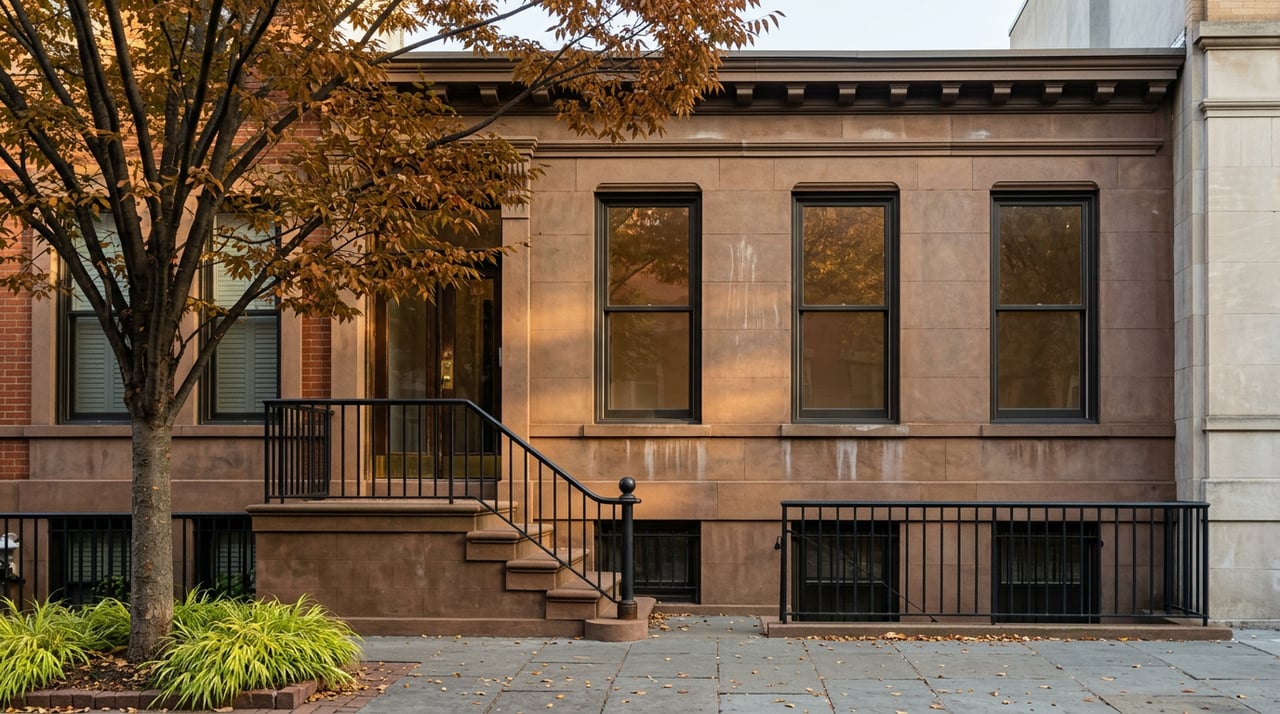
Brooklyn Heights is known for its low-rise brick and brownstone row houses, with apartment buildings mixed in throughout the neighborhood. The Brooklyn Heights Historic District was designated on November 23, 1965, which helps preserve the area’s distinctive streetscape.
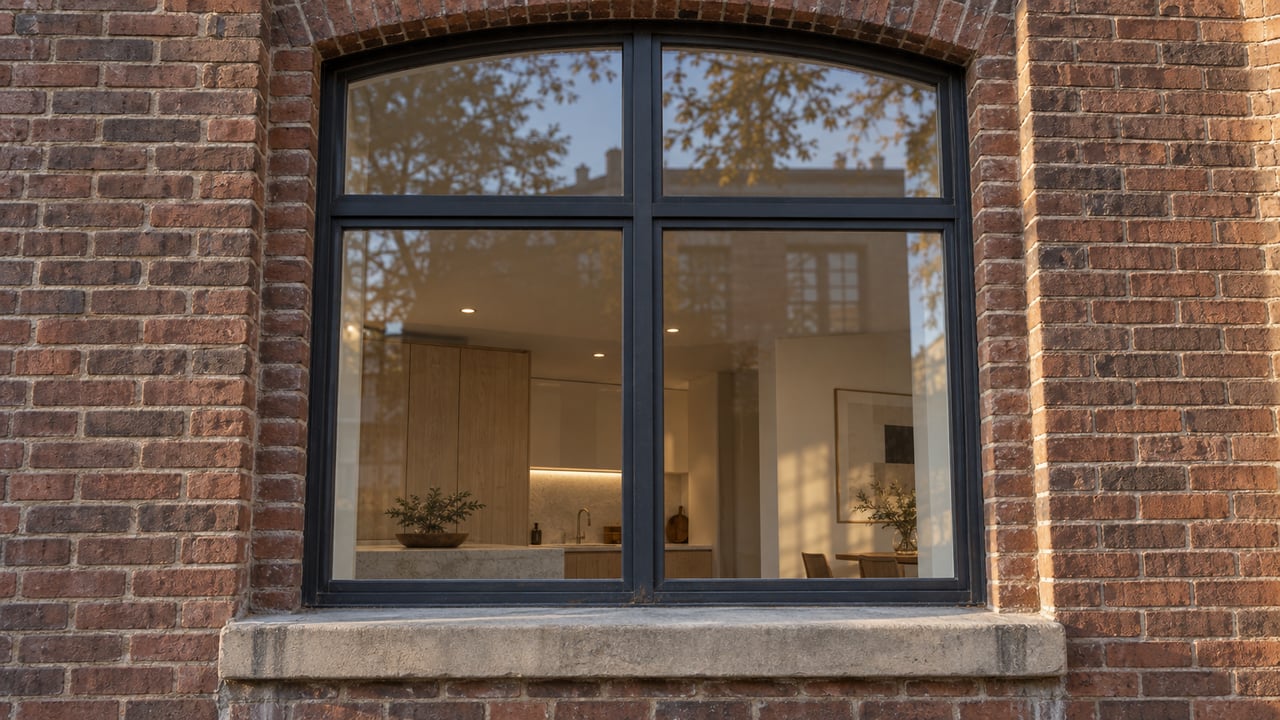
That historic character is part of the appeal, but it can also blur the differences between property types. A building that looks like a classic townhouse may actually be divided as condos or operated as a co-op, so you cannot rely on appearance alone. In Brooklyn Heights, understanding the ownership structure is just as important as loving the block.
What you are actually buying
Before you compare lifestyle or monthly costs, it helps to understand the legal basics. Condos, co-ops, and townhouses may all offer a home in the same neighborhood, but what you legally own is very different.
Condo ownership explained
When you buy a condo, you are buying real property. You own the unit itself, along with an undivided interest in the building’s common elements.
In New York City, condo owners generally pay property taxes directly. You also pay monthly common charges that help cover building expenses. That structure often appeals to buyers who want a more straightforward ownership model.
Co-op ownership explained
When you buy a co-op, you are not buying real property in the same way you do with a condo. Instead, you purchase shares in a corporation and receive a long-term proprietary lease tied to a specific apartment.
Your monthly maintenance is generally based on the number of shares assigned to your unit. Because you are buying into a corporation, the board plays a much larger role in how the building operates and who can buy in.
Townhouse ownership explained
A traditional townhouse in New York City is often owned fee simple, which is much closer to owning a standalone house. In that setup, you usually own the building and the land directly.
But in Brooklyn Heights, “townhouse” describes a building form, not always a legal structure. Some townhouse-style properties may be condos or have another ownership setup, so you should confirm the deed, offering plan, and governing documents before making assumptions.
How board approval can affect your purchase
For many buyers, the biggest real-world difference comes down to approval and control. This is where condos and co-ops often diverge the most.
Co-op boards usually have the most power
Co-op purchases typically involve the most intensive screening. Board packages commonly include employment letters, personal and professional reference letters, tax returns, bank statements, and other financial records.
The board then uses that package to decide whether to approve the buyer. In practice, this can make a co-op purchase feel more discretionary and more personality-driven than other property types.
Condo boards usually have narrower control
A condo does not always mean no paperwork. Many condo boards still ask for a package and may request financial information as part of the purchase process.
The difference is that condo boards generally have more limited power over a sale than co-op boards do. In many cases, their main control is a contractual right of first refusal rather than a broad approval veto.
Newer buildings need extra review
If you are considering a new development or a recent conversion, pay especially close attention to who controls the board. In the early stages of a building’s life, the sponsor may still control the board.
That makes the offering plan, board minutes, and financial reports especially important. These documents can help you understand what the sponsor is required to deliver and how the building is functioning in practice.
Comparing monthly and long-term costs
Price is only one part of the budget. Your monthly and long-term carrying costs can look very different depending on whether you buy a condo, co-op, or townhouse.
Condo costs
With a condo, you will usually pay monthly common charges for building operations. You will also typically receive a separate property tax bill from the New York City Department of Finance.
That split can make the costs feel more transparent, but it also means you should evaluate both numbers together. A lower common charge does not always mean a lower total monthly cost.
Co-op costs
In a co-op, the monthly maintenance is designed to cover the building’s operating expenses. In many buildings, it may also reflect the corporation’s tax burden and, if applicable, an underlying mortgage.
That means the monthly figure can include more than buyers initially expect. It is important to understand exactly what is covered before you compare a co-op’s maintenance to a condo’s common charges.
Townhouse costs
Townhouse budgeting is usually closer to owning a house than owning an apartment. You are typically paying property taxes directly and taking on a much larger share of upkeep yourself.
That can give you more control, but it also means more direct responsibility for repairs, insurance, and capital improvements. If you love autonomy, that tradeoff may feel worth it. If you prefer shared maintenance, it may feel heavy.
Why older buildings require deeper due diligence
Brooklyn Heights has a historic housing stock, and that charm comes with practical considerations. Older buildings can carry major repair needs that are not always obvious during a showing.
New York State flags major building-wide work like facade repairs, roof work, elevator repairs, plumbing replacement, electrical upgrades, and boiler replacement as important items to review. In a neighborhood filled with historic properties, these are not minor details. They can shape both your future costs and your peace of mind.
Documents worth reviewing
A strong purchase review in Brooklyn Heights should include:
- The offering plan
- Building financial statements
- Board minutes
- Assessment history
- Planned or recent capital projects
- The condition of the facade, roof, elevators, plumbing, and major systems
- Any landmark or certificate-of-occupancy issues that could affect future work
These documents may not be the exciting part of the process, but they often reveal the difference between a smooth ownership experience and an expensive surprise.
Historic district rules can shape your plans
In Brooklyn Heights, your choice is not only about space and budget. It is also about rules. Because the neighborhood includes a landmark district, exterior work may require review by the Landmarks Preservation Commission.
According to the LPC, most exterior changes in historic districts require review, and even some work that does not need a Department of Buildings permit may still need LPC approval. Ordinary maintenance, such as matching repainting or replacing broken glass, can be exempt, but more substantial exterior changes should always be checked first.
Why this matters for townhouse buyers
If you are buying a townhouse, this issue can be especially important. Buyers often assume that owning a townhouse means complete freedom, but landmark rules can still affect what you can change on the exterior.
That does not mean a townhouse is the wrong choice. It simply means your renovation plans should be realistic, well-researched, and part of your decision from the start.
Certificate of occupancy matters too
The Department of Buildings recommends closing on a final Certificate of Occupancy rather than a Temporary Certificate of Occupancy when possible. If a property still has a TCO, DOB advises buyers to consult a licensed professional engineer or registered architect to identify unfinished work and code issues.
This is especially relevant for townhouse buyers and for buyers considering newer condo or co-op conversions. It is one more reminder that due diligence should go beyond finishes and floor plans.
Which option may fit you best
The best choice depends on how you want to live, how much oversight you are comfortable with, and how hands-on you want to be as an owner. In Brooklyn Heights, there is no one-size-fits-all answer.
A co-op may fit you if
- You are comfortable with a more involved board approval process
- You do not mind a more collective style of governance
- You are prepared to provide detailed financial documentation
A condo may fit you if
- You want a deeded unit
- You prefer more transfer flexibility
- You want less board control over a future sale than a co-op typically allows
A townhouse may fit you if
- You want more privacy and autonomy
- You are prepared for more direct maintenance responsibility
- You understand that landmark review may affect exterior changes
The key is to match the ownership structure to your priorities, not just the listing photos. In a neighborhood as nuanced as Brooklyn Heights, that alignment matters.
A smart Brooklyn Heights buying strategy
When you are choosing between condos, co-ops, and townhouses in Brooklyn Heights, it helps to think beyond the initial listing. Focus on the full ownership experience: what you are buying, who has approval power, what your monthly costs really include, and what future repairs or rules may affect your plans.
That kind of clarity can save you time, stress, and money. It can also help you move faster when the right property comes along, because you already know which structure best fits your goals.
If you are weighing a co-op, condo, or townhouse in Brooklyn Heights, working with a team that understands the fine print can make the process feel much more manageable. The Scott / Robles Team brings deep Brownstone Brooklyn experience and a calm, strategic approach to helping you compare options, evaluate tradeoffs, and move forward with confidence.
FAQs
What is the main difference between a condo and a co-op in Brooklyn Heights?
- A condo gives you deeded ownership of the unit plus an interest in the common elements, while a co-op means you buy shares in a corporation and receive a proprietary lease for the apartment.
Why do co-op purchases in Brooklyn Heights often take more effort?
- Co-op boards usually require a more extensive package, including financial and reference documents, and they typically have broader authority to approve or reject a buyer.
Do condo buyers in Brooklyn Heights still have to submit board packages?
- Yes, many condo boards still request purchase packages and financial information, but their power over the sale is generally more limited than a co-op board’s.
What should townhouse buyers in Brooklyn Heights verify before closing?
- You should confirm the deed, ownership structure, certificate of occupancy status, and whether landmark rules or exterior review requirements could affect future work.
How are monthly costs different for Brooklyn Heights condos, co-ops, and townhouses?
- Condo owners typically pay common charges plus separate property taxes, co-op owners usually pay maintenance that may include building taxes and other shared costs, and townhouse owners generally pay property taxes directly while taking on more upkeep themselves.
Why is due diligence especially important for older Brooklyn Heights buildings?
- Historic and older buildings may face costly repairs such as facade, roof, plumbing, electrical, elevator, or boiler work, so reviewing financials, board minutes, and capital project history is especially important.