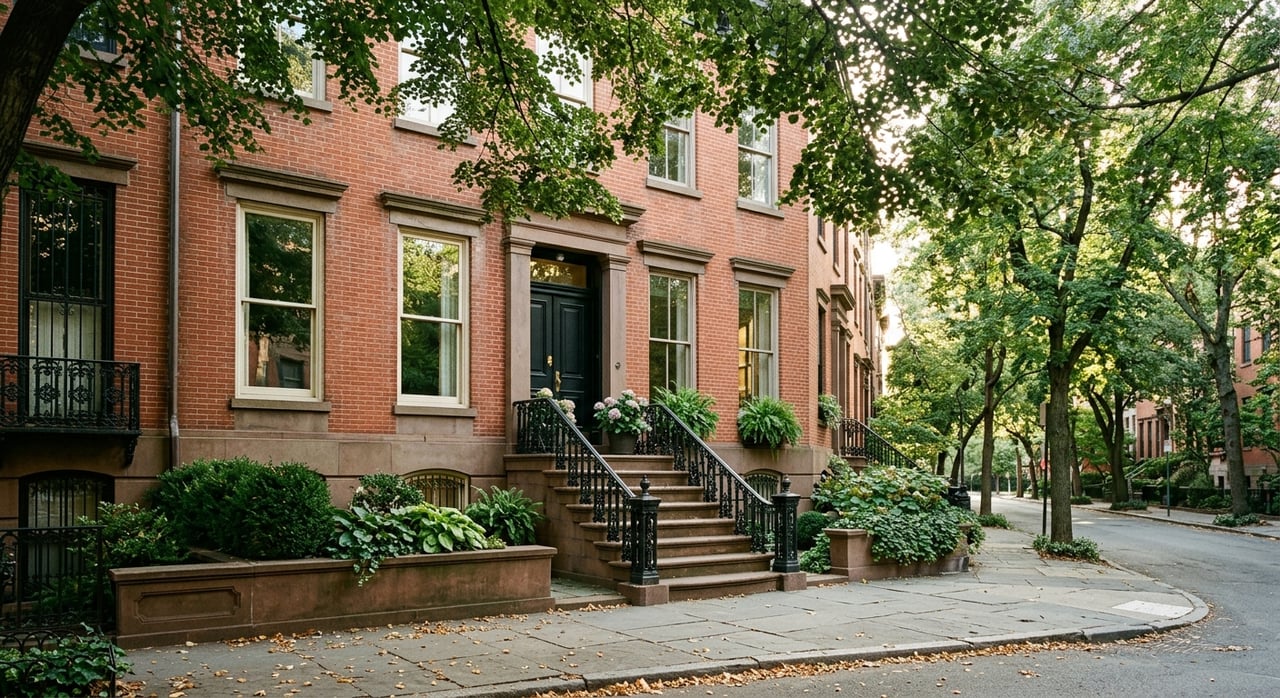
If you want Brooklyn charm without giving up day-to-day ease, Cobble Hill often lands on the shortlist for a reason. It feels quiet and composed, yet you are never far from a park, a coffee shop, or a practical commute. For buyers, sellers, and anyone getting to know Brownstone Brooklyn, understanding that balance is key. Let’s dive in.
Cobble Hill feels small in the best way
Cobble Hill is a compact neighborhood within Brooklyn Community Board 6, and that smaller scale shapes the experience of living here. The neighborhood’s core is commonly described as running roughly between Atlantic Avenue, Degraw Street, Hicks Street, and Court Street.
That footprint matters because it helps explain why Cobble Hill feels so easy to move through on foot. Daily life tends to happen within a short radius, with residential blocks, local businesses, and green space all close at hand.
Historic character is part of daily life
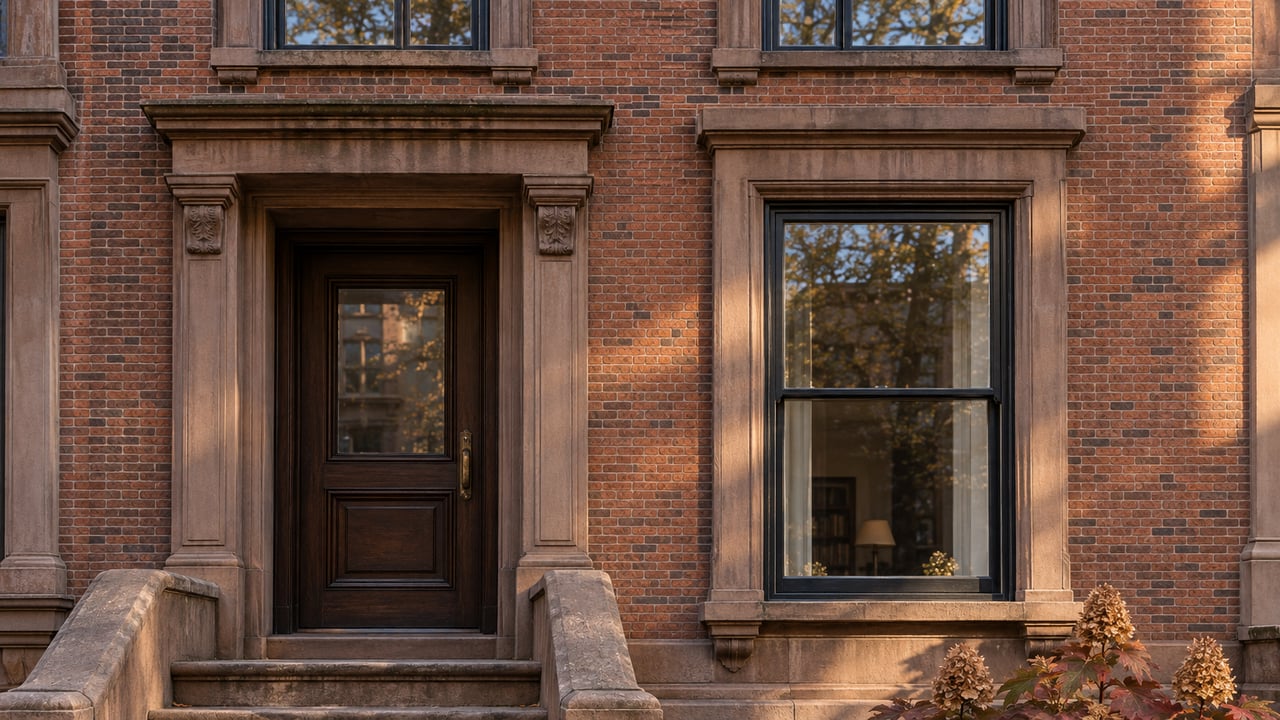
Much of Cobble Hill’s identity comes from its historic district. The Cobble Hill Historic District was designated in 1969 and later extended in 1988, and the original district includes 796 buildings dating from the 1830s through the 1920s.
That history is not just a backdrop. It is a big reason the neighborhood has its low-rise, small-block feel and why the streetscape looks so cohesive today.
Architecture gives Cobble Hill its texture
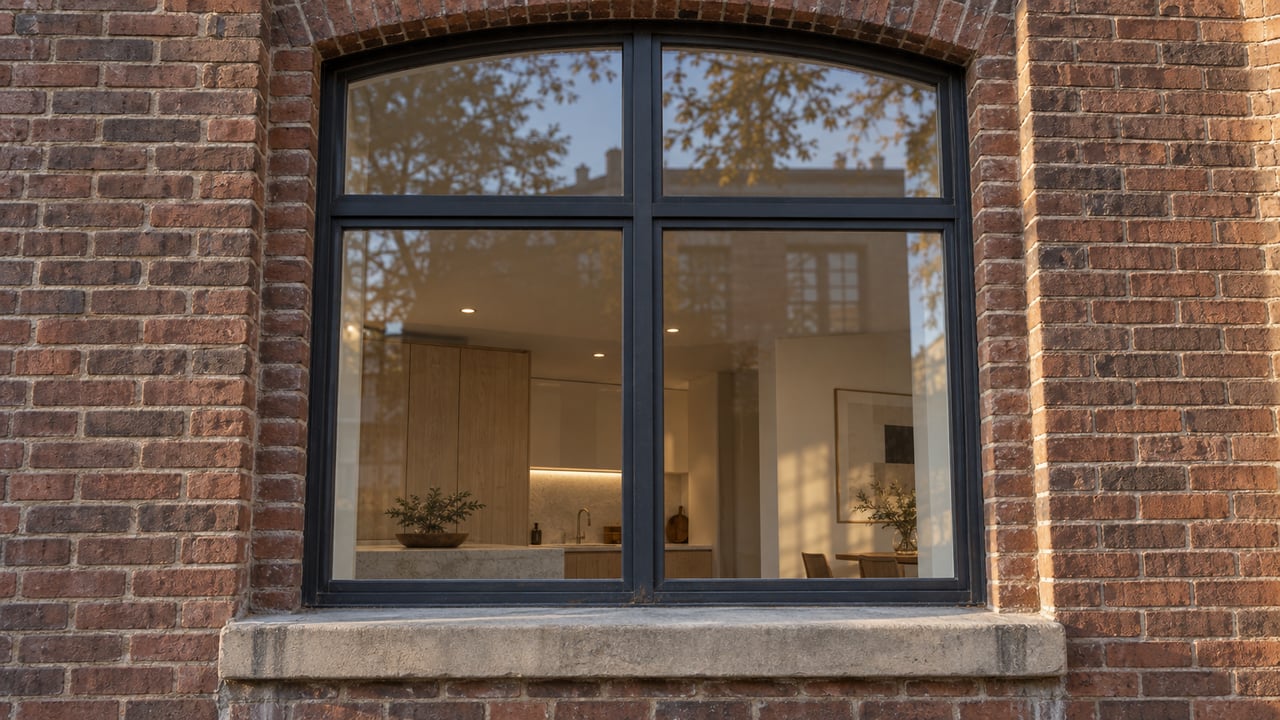
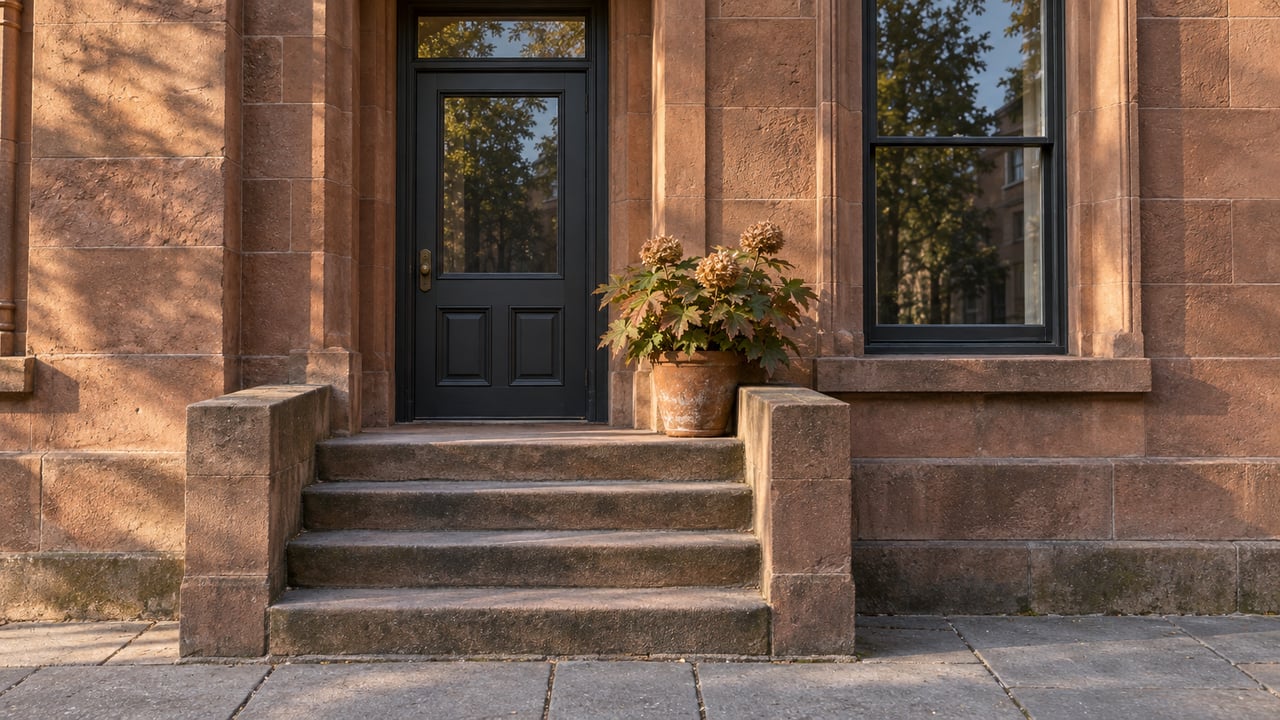
The neighborhood includes preserved examples of Greek Revival, Gothic Revival, Italianate, early Romanesque Revival, and French Neo-Grec architecture, along with notable churches. In practical terms, that means your everyday surroundings often include stoops, brick and brownstone facades, and tree-lined blocks with a distinctly Brooklyn rhythm.
For many buyers, this visual consistency is a major part of the appeal. For sellers, it helps explain why Cobble Hill continues to stand out in Brownstone Brooklyn.
Preservation comes with real rules
Cobble Hill’s charm is supported by a real regulatory framework, not just neighborhood preference. In New York City historic districts, most exterior changes require review by the Landmarks Preservation Commission, while ordinary repairs generally do not.
If you are considering a townhouse or another property with exterior work in mind, this is worth understanding early. Preservation oversight can help protect neighborhood character, but it also becomes part of the ownership experience.
Green space is close and useful
Cobble Hill is not defined by huge parks within its borders. Instead, it offers a smaller-scale pattern of outdoor access that fits the neighborhood well.
The best local example is Cobble Hill Park, the neighborhood’s signature pocket park. The site was acquired by the Parks Department in 1962, opened as a park in 1965, and redesigned in 1989 after a long local effort to keep it as parkland.
That history says a lot about the area. Even a modest green space plays a meaningful role in daily life here, whether you want a quick pause outdoors, a nearby place to sit, or a simple change of pace during the day.
Waterfront access expands your options
When you want a larger outdoor setting, Brooklyn Bridge Park’s Pier 6 is a nearby option with lawns, native plantings, playgrounds, volleyball courts, and food and beverage options. It is free to enter and adds a waterfront dimension to life near Cobble Hill.
This nearby access broadens the neighborhood lifestyle in a practical way. You get the intimacy of a compact residential area, plus a larger public landscape close enough to become part of your routine.
Local shopping and dining stay close by
Cobble Hill’s commercial life is one of its biggest everyday strengths. Businesses are clustered along Court Street, Atlantic Avenue, Degraw Street, and Pacific Street, which helps keep errands, meals, and casual outings highly walkable.
The current shop local mix includes restaurants, coffee spots, retail, home goods, and wellness-oriented businesses. Examples listed by the Cobble Hill Association include Long Island Bar, Fish Tales, Saturn Road, Cobble Hill Coffee Shop, Melissa Joy Manning, and Duman Home.
Convenience here is about radius
One of the nicest things about Cobble Hill is that convenience does not feel oversized or overwhelming. Instead of relying on large-format retail or long trips across town, you can often build a routine around nearby essentials and neighborhood favorites.
That short-radius lifestyle is a major draw for many buyers. It also adds real value for sellers because it supports the kind of day-to-day ease people are often looking for in Brownstone Brooklyn.
Transit is strong without changing the feel
Cobble Hill manages to feel residential while still offering strong transit access. Nearby subway service includes the F and G at Bergen Street and Carroll Street, the R at Court Street, and 2 and 3 connections at nearby Court Street and Borough Hall.
That range matters because it gives you more than one way to move through the city. For many residents, flexibility is part of the neighborhood’s appeal.
Ferry access adds another layer
The South Brooklyn ferry route stops at Atlantic Ave / BBP Pier 6. It is designed to connect South Brooklyn’s residential communities and waterfront parks with job centers in Midtown and the Financial District.
In real life, that means Cobble Hill benefits from a mix of subway, bus, and ferry access rather than relying on one single commute pattern. That kind of transit choice is useful whether your schedule is predictable or changes from day to day.
Why buyers notice Cobble Hill
For buyers, Cobble Hill often stands out because it offers several hard-to-find qualities at once. It feels architecturally grounded, easy to navigate, and connected to the rest of Brooklyn and Manhattan without losing its calmer residential tone.
If you are comparing neighborhoods, Cobble Hill may appeal to you for a few clear reasons:
- A preserved historic core with a distinctive low-rise streetscape
- Walkable commercial corridors for daily errands and dining
- Nearby outdoor options that include both a pocket park and waterfront park access
- Multiple transit modes, including subway, bus, and ferry service
- A neighborhood scale that supports a practical, less car-dependent routine
For townhouse, condo, and co-op buyers especially, the appeal is often about balance. Cobble Hill offers beauty and convenience in the same frame.
What sellers should understand
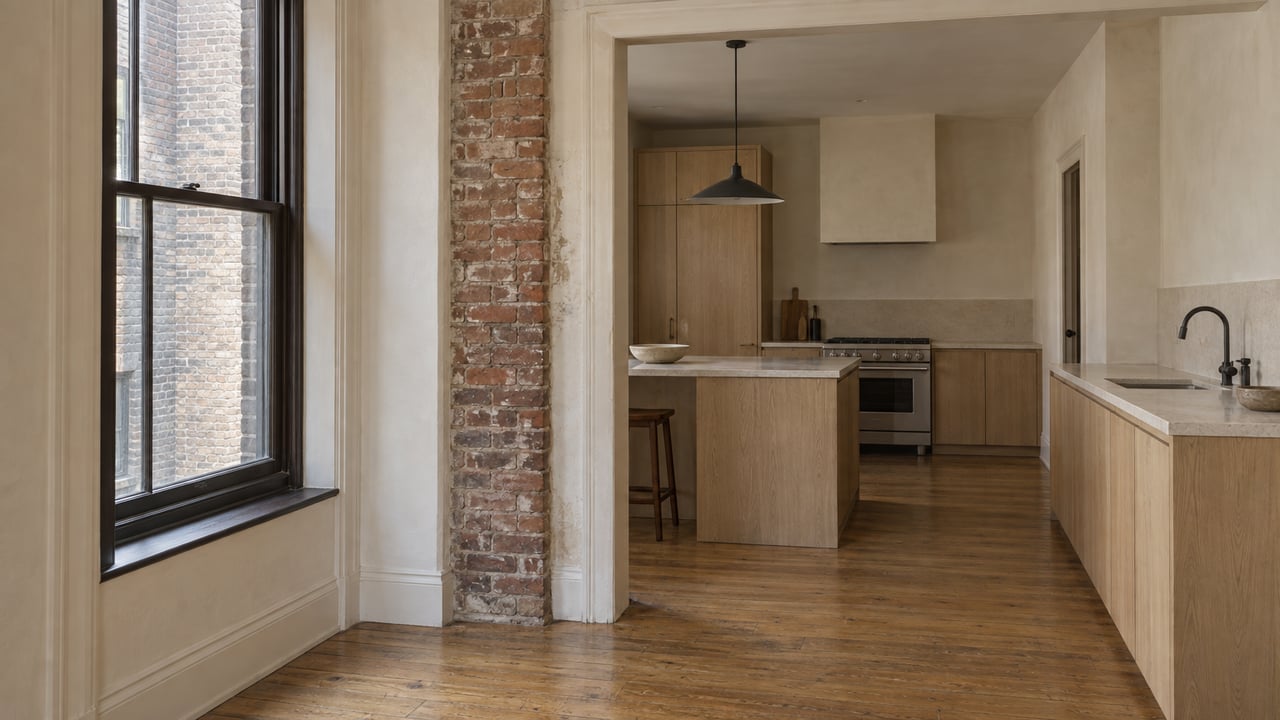
If you own in Cobble Hill, the neighborhood’s value story is closely tied to its consistency and lived-in appeal. Buyers are not just responding to square footage or finishes. They are also responding to block character, preserved architecture, walkability, and the sense that the neighborhood works well on an everyday level.
That means positioning matters. A strong sale strategy should account for both the property itself and the neighborhood features that shape buyer perception.
Context can strengthen your positioning
For some homes, especially historic properties, buyers may need help understanding what makes Cobble Hill distinct. The neighborhood’s landmarked character, compact scale, and transit access can be powerful selling points when presented clearly and accurately.
This is where local knowledge matters. In a neighborhood as nuanced as Cobble Hill, details about blocks, building types, and buyer priorities can make a meaningful difference.
Cobble Hill’s appeal is steady and specific
Cobble Hill does not rely on constant reinvention to stay desirable. Its appeal comes from a more durable mix of preserved architecture, useful public space, compact retail corridors, and flexible transportation.
That combination gives the neighborhood a calm confidence. If you are buying, selling, or simply trying to understand where Cobble Hill fits within Brownstone Brooklyn, that is often the clearest takeaway: it offers a quieter kind of convenience, and that is exactly the point.
If you are thinking about buying or selling in Cobble Hill, working with a team that understands Brownstone Brooklyn block by block can make the process clearer and more strategic. Connect with The Scott / Robles Team for thoughtful guidance tailored to your goals.
FAQs
What makes Cobble Hill feel different from other Brooklyn neighborhoods?
- Cobble Hill stands out for its compact scale, preserved historic district, low-rise streets, walkable retail corridors, and access to both pocket park and waterfront outdoor space.
What should Cobble Hill buyers know about historic district rules?
- In New York City historic districts, most exterior changes generally require Landmarks Preservation Commission review, while ordinary repairs generally do not.
What green space is available near Cobble Hill?
- Cobble Hill Park is the neighborhood’s signature pocket park, and nearby Brooklyn Bridge Park Pier 6 offers larger lawns, playgrounds, courts, and waterfront access.
What transit options serve Cobble Hill?
- Nearby service includes the F, G, R, 2, and 3 trains, along with bus access and the South Brooklyn ferry route at Atlantic Ave / BBP Pier 6.
What streets anchor Cobble Hill shopping and dining?
- Local businesses are clustered along Court Street, Atlantic Avenue, Degraw Street, and Pacific Street, supporting a highly walkable daily routine.
Why do Cobble Hill sellers benefit from neighborhood-specific marketing?
- Cobble Hill buyers often respond to details like block character, preserved architecture, nearby conveniences, and transit access, so clear local positioning can help communicate value more effectively.