If you want a home in Boerum Hill, the hardest part may not be choosing the neighborhood. It may be choosing the type of home that fits your life best. In a place known for classic rowhouses, low-rise buildings, and a strong historic fabric, the decision between a townhouse and a boutique condo can shape your monthly costs, your privacy, and how much responsibility you take on as an owner. This guide will help you compare both options with Boerum Hill in mind so you can move forward with more clarity. Let’s dive in.
Why Boerum Hill Feels Different
Boerum Hill is not a neighborhood of towering residential buildings. According to NYC Planning, it is mostly a low-rise area defined by 3- and 4-story rowhouses, with larger 4- and 5-story apartment and loft buildings concentrated between Smith and Court Streets and near 3rd Avenue.
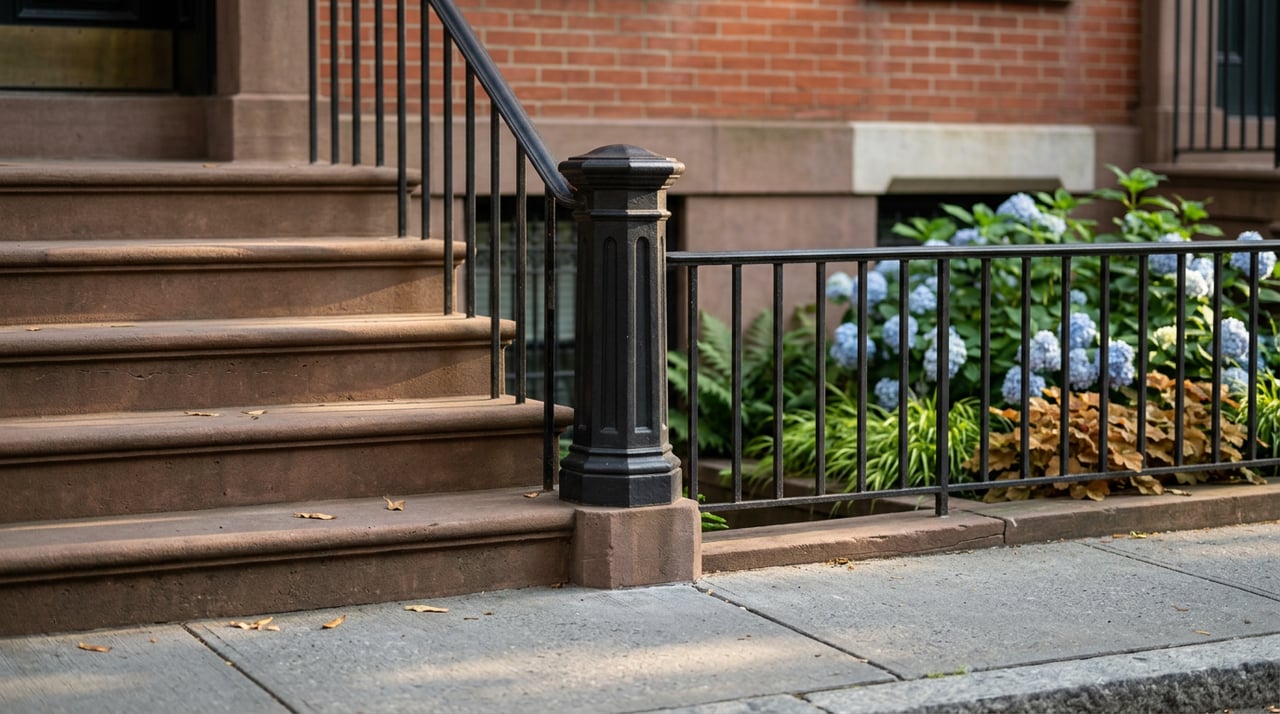
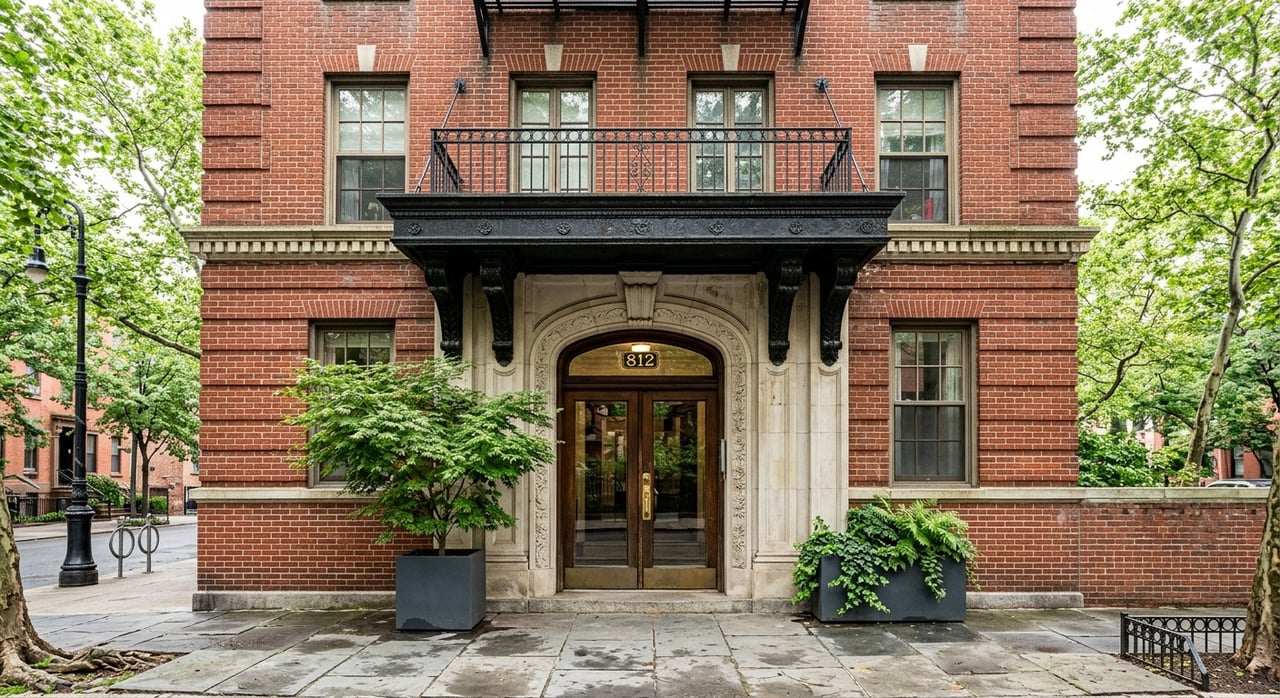
That built form matters when you are deciding how you want to live here. In Boerum Hill, a townhouse often means owning a classic Brooklyn building with historic character and more direct control, while a boutique condo often means a smaller shared building with fewer units and a more hands-off day-to-day ownership experience.
There is also an important preservation layer to understand. The Boerum Hill Historic District was designated in 1973, and its 2018 extension added about 288 buildings, including many intact mid-19th-century rowhouses and some apartment buildings.
Townhouse Living in Boerum Hill
What townhouse ownership usually means
In Boerum Hill, townhouse ownership is best understood as whole-building ownership rather than ownership inside a shared-interest building. In practical terms, that usually gives you more direct control over the property and fewer building-level rules than you would have in a condo or co-op.
That freedom comes with more responsibility. You are typically handling the mortgage, property taxes, insurance, utilities, maintenance, repairs, and long-term capital work directly.
Why buyers are drawn to townhouses
For many buyers, the biggest draw is privacy. A townhouse usually offers more physical separation, more discretion over layout, and more control over day-to-day use than a shared building can provide.
That can be especially appealing if you want room to spread out, prefer fewer shared spaces, or simply like the idea of owning the full building. In Boerum Hill, that often also means living in a home type closely tied to the neighborhood’s historic streetscape.
The responsibilities to plan for
The tradeoff is ongoing upkeep. Older buildings can come with meaningful repair needs, and the New York Attorney General highlights facade, roof, plumbing, boiler, electrical, and cosmetic work as common cost drivers in existing properties.
With a townhouse, those costs are not spread across multiple owners. You absorb them directly, which makes your repair history, current condition, and reserve planning especially important.
Boutique Condo Living in Boerum Hill
What condo ownership looks like
In a condo, you own your individual unit plus an undivided interest in the common elements. The building is still governed by its declaration, bylaws, and house rules, and a board of managers oversees building operations.
That means condo ownership is not rule-free, but it usually offers a middle ground. You own your home outright while sharing responsibility for common areas and building systems.
Why buyers choose boutique condos
A boutique condo can appeal to buyers who want Boerum Hill ownership with less direct building maintenance than a townhouse. Instead of managing every exterior issue, system upgrade, or common-area expense yourself, those responsibilities are handled at the building level.
Condos also generally offer more flexibility than co-ops, especially around subletting and resale. For buyers who want some ownership freedom without taking on an entire building, that can be a meaningful advantage.
What to watch in monthly costs
With a condo, your monthly picture may include a mortgage, common charges, property taxes, insurance, and utilities, depending on the setup. One important Boerum Hill and NYC-specific detail is that tax class does not always line up neatly with the legal form of the property.
NYC311 notes that 1-, 2-, and 3-family homes are Class 1, while co-op and condo buildings that are 4 stories or higher are Class 2. Low-rise condo buildings of 3 stories or fewer can also be Class 1, which is one reason two homes with similar prices can carry very different monthly costs.
Some eligible co-op and condo developments may also receive the NYC co-op and condo property tax abatement. That abatement is applied for by the board or managing agent, not individual owners, and it can materially affect monthly carrying costs.
Townhouse vs Boutique Condo
Control and privacy
If control and privacy are your top priorities, the townhouse usually leads. You are not working within shared common elements or building-wide house rules in the same way you would in a condo.
A boutique condo still offers ownership and often a more intimate building experience than a large development, but you are still living within a shared structure. That includes board governance and rules that affect the building as a whole.
Maintenance and time commitment
If you want less day-to-day responsibility, the boutique condo often has the edge. Building systems and common-area upkeep are handled collectively rather than resting entirely on your shoulders.
A townhouse can be rewarding, but it asks more of you. Even when the house is in strong condition, you need to think ahead about repairs, exterior work, and future capital projects.
Flexibility and long-term use
A townhouse often gives you the most discretion over how you live in the space. That said, exterior changes may be limited if the property is landmarked or located within the historic district.
A condo tends to sit in the middle. It comes with board rules, but it generally offers more flexibility than a co-op, particularly when it comes to subletting and resale.
Monthly carrying costs
A townhouse may not have common charges, but that does not automatically make it less expensive month to month. You are still responsible for taxes, insurance, utilities, maintenance, and emergency repairs, and those costs can be less predictable.
A boutique condo may have more structured monthly payments through common charges, and in some cases tax treatment or an abatement may help the numbers. The key is to compare the full carrying cost, not just the headline purchase price.
Historic District Rules Matter
Why landmark status changes the equation
In Boerum Hill, this is one of the most important issues for townhouse buyers and one that some condo buyers will need to understand as well. If a property is a landmark or located in a historic district, exterior work generally requires approval from the Landmarks Preservation Commission, even when a Department of Buildings permit is not needed.
LPC notes that ordinary repairs like matching paint or replacing broken window glass may not need approval. But for broader exterior changes or restoration work, landmark review can become a real part of ownership planning.
What that means in practice
If you are considering a townhouse, ask early whether the property sits in the Boerum Hill Historic District or the district extension. That can affect what changes are possible, how long approvals may take, and how you should budget for future exterior work.
For a boutique condo in a historic building, the same neighborhood context can still matter, though building management may handle parts of that process. Either way, historic status is not a minor detail in Boerum Hill. It is part of the ownership equation.
Smart Due Diligence Before You Buy
For townhouse buyers
A townhouse purchase should include a close look at both current condition and future obligations. In Boerum Hill, that means paying special attention to building systems and any landmark-related issues.
Focus on questions like these:
- Is the property in the Boerum Hill Historic District or the district extension?
- What is the history of the roof, facade, windows, stoop, plumbing, electrical, and boiler?
- Were prior alterations properly permitted?
- What exterior work may be coming next, and what could it cost?
For boutique condo buyers
A condo purchase is not just about the apartment. You are also evaluating the building’s financial and operational health.
Key documents and questions include:
- The declaration, bylaws, and house rules
- Records of receipts and expenditures
- How common charges and property taxes are handled
- Any known building-wide repair needs
- Whether the development receives the co-op and condo tax abatement
For any older Boerum Hill building
Because much of Boerum Hill is made up of older housing stock, repair planning matters in almost every purchase. The New York Attorney General specifically points buyers to major systems and building-wide issues that can become expensive over time.
That is why a home that looks straightforward on the surface may deserve a deeper review behind the walls, above the roofline, and across the building’s records. Good due diligence is often what separates a confident purchase from an expensive surprise.
Which Option Fits Your Life Best?
If you want maximum control, more privacy, and the experience of owning a full Brooklyn building, a townhouse may be the better fit. If you would rather share responsibility for maintenance and keep your ownership structure more streamlined, a boutique condo may make more sense.
Neither option is universally better. In Boerum Hill, the right choice depends on how you value time, privacy, flexibility, monthly predictability, and your comfort with older-building upkeep.
The best decisions usually come from looking beyond charm and square footage. When you compare ownership structure, tax treatment, historic district rules, and likely repair exposure, your path often becomes much clearer.
In a neighborhood as nuanced as Boerum Hill, property type matters as much as property style. If you want help weighing a townhouse against a boutique condo, The Scott / Robles Team can help you evaluate the tradeoffs with a practical, neighborhood-specific lens.
FAQs
What is the main difference between a Boerum Hill townhouse and a boutique condo?
- A townhouse usually means whole-building ownership with more direct control and more maintenance responsibility, while a boutique condo means owning your unit within a shared building governed by condo documents and board rules.
How do historic district rules affect Boerum Hill townhouse ownership?
- If the townhouse is landmarked or in the Boerum Hill Historic District, exterior work generally requires Landmarks Preservation Commission approval, even when a Department of Buildings permit is not needed.
Are monthly costs lower in a Boerum Hill boutique condo than a townhouse?
- Not always. A condo may have common charges and possibly tax benefits such as an eligible abatement, while a townhouse owner pays taxes, insurance, utilities, and repairs directly, so the full carrying cost needs to be compared case by case.
What documents should you review before buying a Boerum Hill condo?
- You should review the declaration, bylaws, house rules, records of receipts and expenditures, and any information about building-wide repairs, common charges, and property tax handling.
What should you inspect carefully in an older Boerum Hill townhouse?
- Pay close attention to the roof, facade, windows, stoop, plumbing, electrical, and boiler history, along with any prior alterations and whether exterior work complied with landmark requirements.
Is a condo more flexible than a co-op in Boerum Hill?
- In general, yes. According to New York Attorney General guidance, condos usually offer more flexibility than co-ops, especially around subletting and resale, though condo rules still apply.