Buying your first place in Clinton Hill can feel exciting right up until you realize one thing: not every apartment here works the same way. A co-op on a quiet interior block can involve a very different approval process, monthly cost structure, and due diligence path than a condo near one of the neighborhood’s busier corridors. If you want to buy with more clarity and fewer surprises, this guide will walk you through how Clinton Hill co-ops and condos differ, what to review, and how to budget for the process. Let’s dive in.
Why Clinton Hill Feels So Block Specific
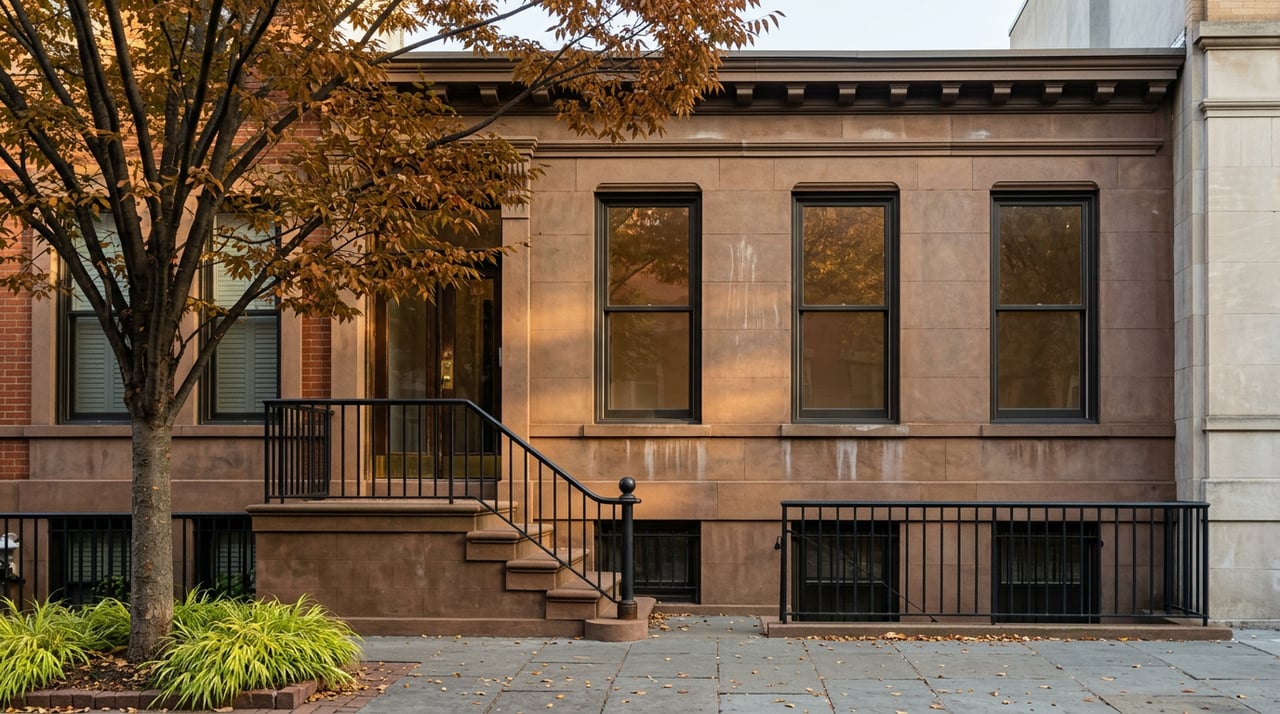
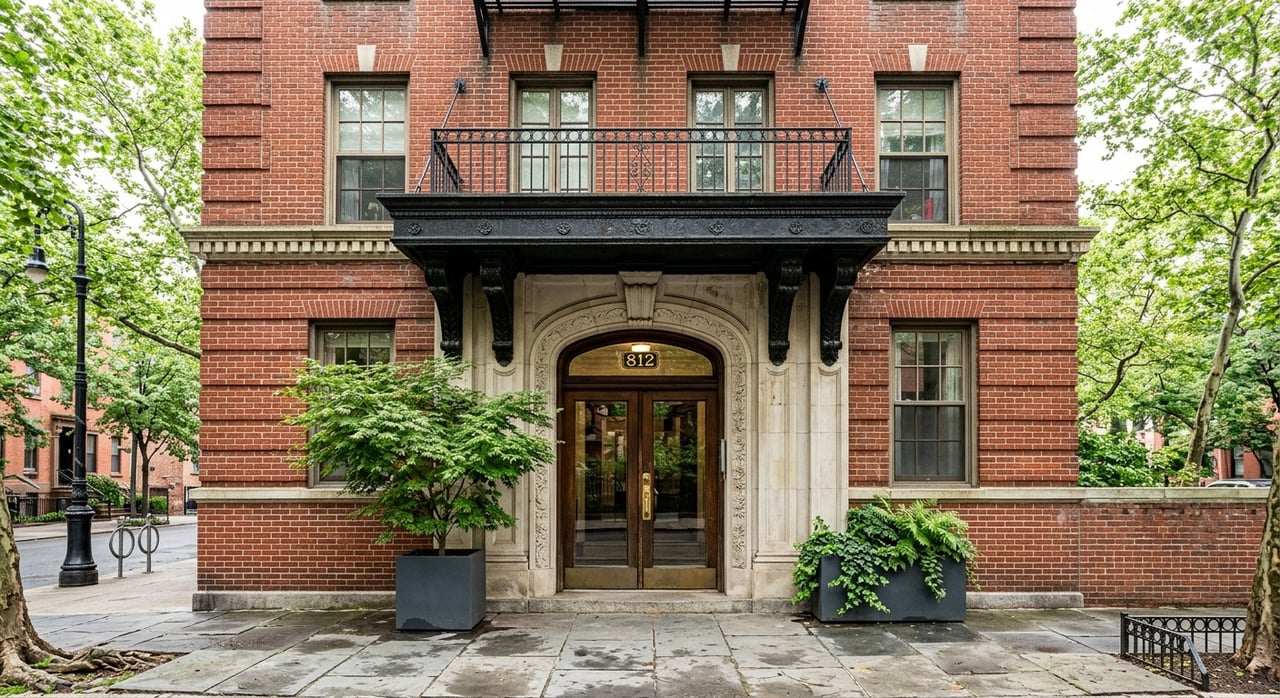
Clinton Hill is not a one-note apartment market. Its landmarked core includes row houses, mansions, stables, apartment houses, and institutional buildings, with construction dating from the 1840s through the 1920s.
That variety matters when you start touring homes. Two apartments with similar square footage can feel very different depending on the building type, the age of the property, and the exact block where they sit.
A practical way to think about Clinton Hill is to compare interior residential blocks with the avenues and edges that frame the historic district. In many cases, interior blocks may feel calmer, while locations closer to major streets may see more through-traffic and commercial activity.
For a first-time buyer, that means you should evaluate the specific block, not just the Clinton Hill label. The neighborhood name tells you a lot, but the exact location often tells you more.
Co-Op vs Condo Basics
Before you think about finishes, light, or layout, confirm whether the apartment is a co-op or a condo. That one detail affects ownership, approval, monthly costs, and closing fees.
How a co-op works
In New York, buying a co-op means you purchase shares in a corporation. Those shares give you a proprietary lease for a specific apartment, and your maintenance charges are tied to the number of shares allocated to your unit.
Because you are buying into a corporation rather than owning real property outright, the process usually involves more board review and more documentation. That is one reason co-op purchases often feel more structured for first-time buyers.
How a condo works
When you buy a condo, you own the unit outright and also own an interest in the common elements. The legal structure is different from a co-op, and that usually creates a more direct ownership path.
In condos, the process is generally less centered on a shareholder-style approval gate. Instead, the transaction is more about transfer paperwork, lender requirements, title work, and any building-level sale procedures disclosed in the condominium documents.
What the Approval Process Feels Like
For many first-time buyers, the biggest practical difference between co-ops and condos is not the definition of ownership. It is how the deal moves from accepted offer to closing.
Co-op approval steps
Co-op boards are governed by bylaws, the proprietary lease, and house rules. After contract signing, buyers typically prepare a detailed application package for board review.
It helps to separate approval from closing. In a co-op, board review is often the main gate, and closing usually happens after that step is complete.
New York City enacted Local Law 58 of 2026 to create co-op application timelines for many buildings with 10 or more units. Under the law, a co-op must acknowledge receipt of application materials within 15 days, then issue a decision within 45 days after a complete application, with one 14-day extension allowed and some summer-recess tolling available.
As of July 5, 2026, that law has been enacted but is not yet in force. So for now, it is still smart to plan around market timing rather than assume a firm legal turnaround in every case.
Condo approval steps
Condos do not use the same shareholder-board approval structure as co-ops. The governing documents focus on the board of managers, the declaration, and the bylaws.
Some condo buildings may have a right of first refusal or other sale restrictions, but those must be disclosed and exercised within stated deadlines. In practice, condo deals usually involve a lighter approval path than co-ops, though they can still be delayed by financing, attorney review, title issues, or missing building paperwork.
Typical Timelines to Expect
A clear timeline can make the whole process feel less overwhelming. The exact pace varies by building and financing, but a few benchmarks can help you plan.
Common co-op timing
A common New York City benchmark is about 60 days from accepted offer to closing on a co-op. Closing often happens about 7 to 14 days after board approval, and cash deals may move faster.
That does not mean every co-op closes in exactly 60 days. It does mean you should expect a process that can feel slower and more document-heavy than a condo purchase.
Common condo timing
Ordinary New York City residential closings often fall in the 60-to-90-day range after an accepted offer. Even without a full co-op-style board approval gate, condo transactions can still take time because of lender review, title work, contract negotiation, and building document collection.
A simple first-time buyer timeline
- Accepted offer
- Contract review and signing
- Loan application and commitment, if financing
- Building document review and application package, if required
- Co-op board review or condo transfer process
- Final closing preparation
- Closing day
If you keep these steps separate in your mind, the process becomes much easier to track. Approval is one milestone, and closing is another.
Due Diligence Matters More in Older Buildings
Clinton Hill’s housing stock includes many buildings from the 19th and early 20th centuries. That history is part of the neighborhood’s appeal, but it also makes building-level review especially important.
The New York Attorney General advises buyers in existing buildings and sponsor conversions to review board minutes, financial reports, posted violations, and the building’s physical condition. Those documents can tell you a great deal about how a building is run and what expenses may be coming.
The same guidance notes that facade, roof, elevator, plumbing, and electrical problems can be among the most expensive issues in older buildings. In a neighborhood like Clinton Hill, those items deserve close attention.
What to ask for
As you evaluate a co-op or condo, ask for:
- Financial statements
- Board minutes
- Any list of known defects
- Information on current or planned capital projects
- The offering plan, when applicable
If you are looking at a sponsor conversion or an existing condo, you can also review filings and amendments connected to the offering plan. That can help you understand what was originally disclosed and whether the building’s budget or risk profile has changed over time.
Budget Beyond the Purchase Price
First-time buyers often focus on the down payment and monthly payment first. That is important, but in Clinton Hill co-ops and condos, carrying costs and transaction costs deserve just as much attention.
Monthly charges and tax treatment
In New York City, co-ops and condos are class 2 residential properties. Property tax bills are typically issued quarterly or semiannually, but the way tax benefits are applied differs between co-ops and condos.
For condos, owners receive exemptions and abatements directly for their units. For co-ops, boards receive the exemption information and allocate the benefit to shareholders as part of common charges.
That is why it is worth asking whether the building files for the co-op or condo abatement and how the savings flow through your monthly carrying costs. The current city guide lists February 15 as the co-op and condo abatement deadline and March 15 for personal exemption deadlines.
Closing cost differences
Financing structure matters too. New York City charges mortgage recording tax when mortgages are recorded, and the city collects it in the boroughs outside Staten Island.
Co-op financing is handled through UCC financing statements rather than a standard recorded mortgage. That means co-ops and condos can have different filing patterns and different fee structures at closing.
You should also keep New York State mansion tax in mind. It is an additional 1 percent transfer tax on residences with consideration of $1 million or more.
Why Offering Plans Deserve Extra Attention
If you are buying in a new-construction condo or a condo conversion, the offering plan becomes one of your most important documents. New York’s condominium rules require disclosures about the project description, first-year operating budget, board of managers, common charges, and special risks.
That information can help you look past the finishes and focus on how the building may actually operate. An apartment that looks attractive on day one can still come with future cost pressure if the budget is thin, reserves are limited, or major risks are already identified in the plan.
The New York Attorney General specifically recommends reading the entire offering plan and consulting an attorney before signing a purchase agreement. For a first-time buyer, that is one of the most useful habits you can build.
A Smart Clinton Hill Buyer Checklist
If you want a practical starting point, use this checklist as you compare options:
- Confirm whether the apartment is a co-op or a condo
- Compare the exact block, not just the neighborhood name
- Review financial statements, board minutes, and posted violations
- Ask about known defects and upcoming capital projects
- Pay close attention to facade, roof, elevator, plumbing, and electrical conditions
- Check whether the building qualifies for the co-op or condo abatement
- Ask how tax benefits affect your monthly carrying costs
- Review the offering plan carefully for condos, conversions, and new development
- Look closely at the first-year budget and any special risks section
- Build extra time into your timeline for board review, financing, and legal review
How to Buy With More Confidence
Your first Clinton Hill purchase does not need to feel like a guessing game. When you understand the ownership structure, study the building documents, and compare blocks carefully, you put yourself in a much stronger position to choose the right fit.
That is especially true in a neighborhood where building types, approval paths, and carrying costs can vary so much from one address to the next. A calm, informed process usually leads to better decisions.
If you are considering a co-op or condo in Clinton Hill and want thoughtful guidance on the tradeoffs, budgeting, and due diligence process, The Scott / Robles Team can help you navigate the search with local insight and a tailored strategy.
FAQs
What is the difference between a Clinton Hill co-op and condo?
- In a co-op, you buy shares in a corporation and receive a proprietary lease for the apartment. In a condo, you own the unit outright and also own an interest in the common elements.
How long does a Clinton Hill co-op purchase usually take?
- A common New York City benchmark is about 60 days from accepted offer to closing, with closing often 7 to 14 days after board approval.
Why does the exact Clinton Hill block matter when buying?
- Clinton Hill has a varied historic building mix, and the neighborhood can feel different from block to block, especially between quieter interior streets and busier edge corridors.
What building documents should first-time buyers review in Clinton Hill?
- Ask for financial statements, board minutes, posted violations, the building’s physical-condition information, and the offering plan when applicable.
What older-building issues should Clinton Hill buyers watch for?
- Facade, roof, elevator, plumbing, and electrical problems are among the most expensive issues and deserve extra attention in older buildings.
How are property tax benefits handled for New York City co-ops and condos?
- Condo owners receive exemptions and abatements directly for their units, while co-op boards receive the benefit information and allocate it to shareholders through common charges.