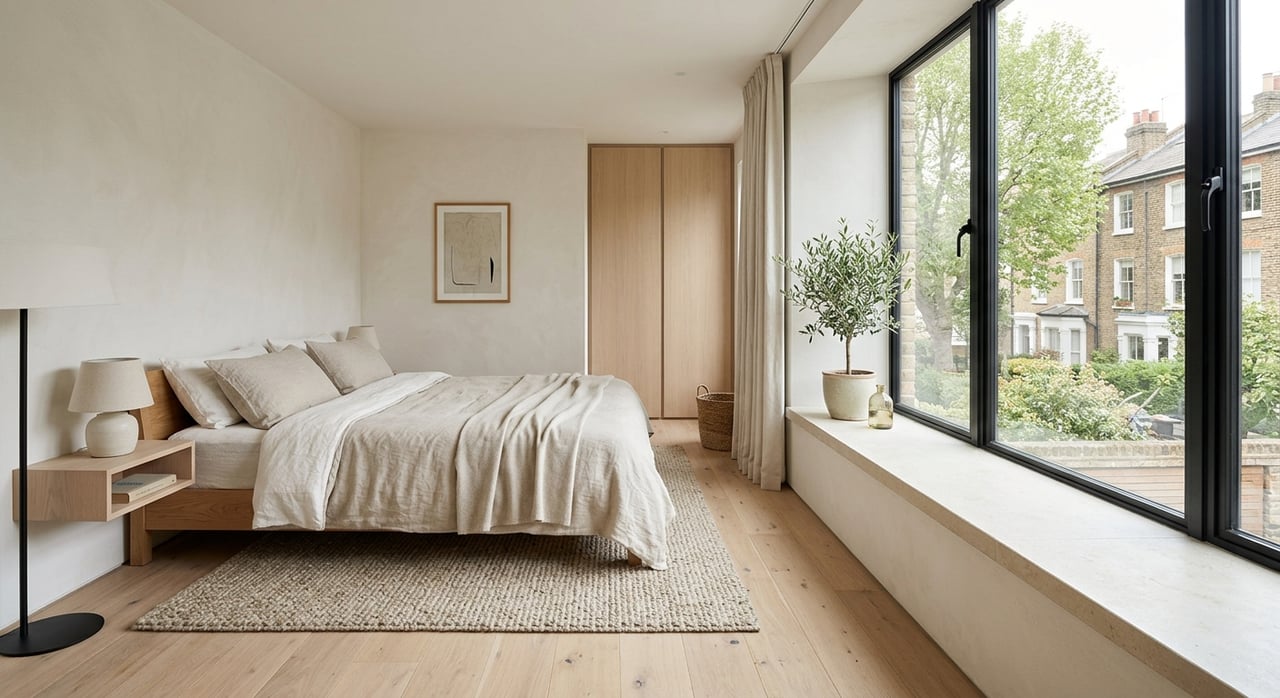
If you own a Park Slope townhouse, you already know buyers are not just shopping for square footage. They are comparing condition, presentation, paperwork, and pricing with a sharp eye. In a market where townhouses are limited and buyer expectations are high, the homes that stand out are usually the ones prepared with real strategy. Here’s how to get your Park Slope townhouse ready for a stronger, more confident sale.
Why prep matters in Park Slope
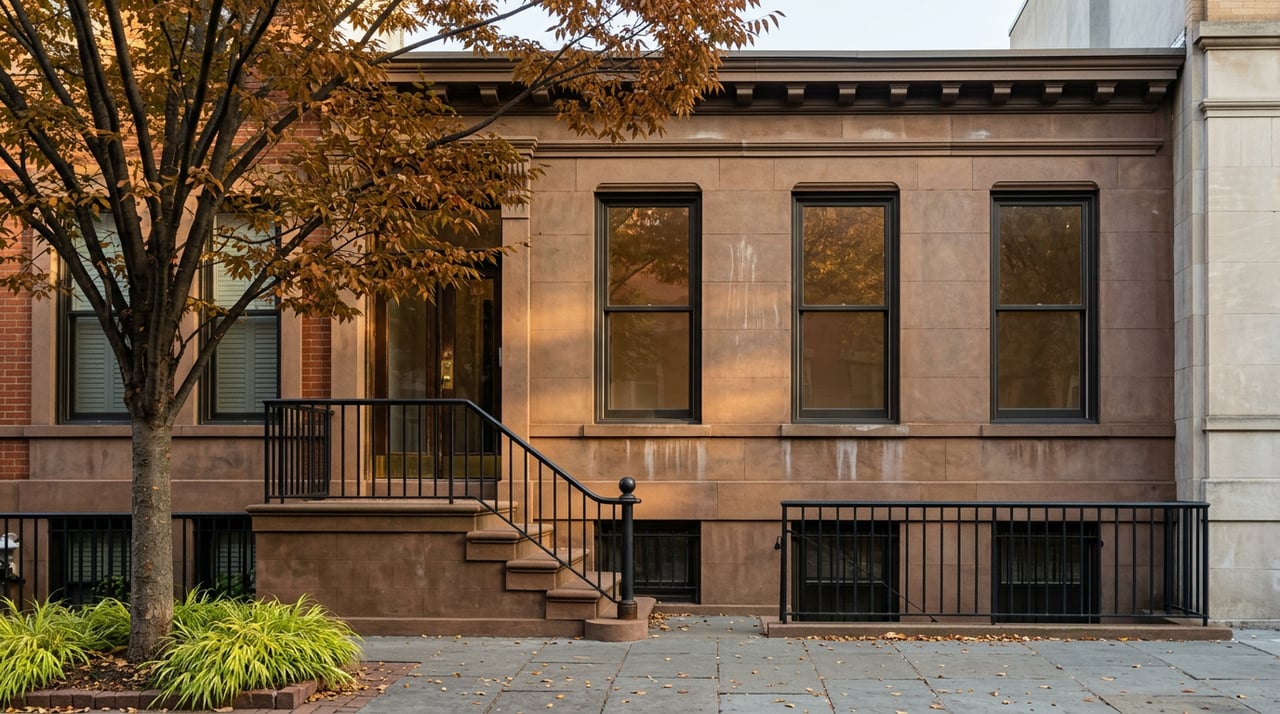
Park Slope is known for its rows of townhouses and brownstones, and much of the neighborhood falls within the Park Slope Historic District and its later extensions. That means your home may carry both architectural appeal and extra layers of review when exterior work is involved.
The current sales environment also rewards precision. Recent market snapshots show a Park Slope median sale price of $1.9 million and median days on market of 60 days on StreetEasy, while Redfin’s Park Slope townhouse page shows 8 townhouses for sale, a median listing price of $2.39 million, median days on market of 33 days, and about 2 offers per home. In other words, location helps, but condition and pricing still do a lot of the work.
Start with due diligence
Before you paint a wall or order staging furniture, get clear on the home’s actual condition. For an older townhouse, hidden issues can affect buyer confidence, inspection results, and negotiation leverage.
A pre-listing inspection can help you surface concerns early. Standard inspection scope typically includes the roof, exterior, foundation and structure, heating and cooling, plumbing, electrical, attic, insulation and ventilation, doors and windows, and interior spaces.
This is especially useful if there are signs of water intrusion, foundation movement, or active plumbing leaks. Finding these issues before you list gives you more control over timing, repairs, and how the property is presented.
Focus on major systems first
If you are deciding where to start, prioritize the systems that buyers and inspectors notice most:
- Roof condition
- Water intrusion points
- Foundation and structural concerns
- Plumbing issues and active leaks
- Electrical system condition
- Heating and cooling performance
Addressing these items first can reduce surprises later. It can also make your listing feel more solid and better documented from day one.
Organize disclosure documents early
For most one- to four-family homes used as a residence in New York, sellers are required to provide a Property Condition Disclosure Statement before a binding contract is signed. A current form is required beginning July 1, 2025. The form itself states that it is not a warranty and not a substitute for inspections or tests.
If new information later makes an earlier statement materially inaccurate, the seller must provide a revised statement. That makes early fact-gathering important. The more organized you are before listing, the smoother this step tends to be.
Don’t overlook lead paint rules
If your townhouse was built before 1978, federal lead-based paint disclosure rules likely apply. Buyers must be given a 10-day opportunity to test for lead-based paint or related hazards, and sellers are not required to pay for that inspection or risk assessment.
For many Park Slope townhouses, this will be part of the pre-contract conversation. Having your records and disclosures ready can help that process feel routine instead of disruptive.
Check historic district permits
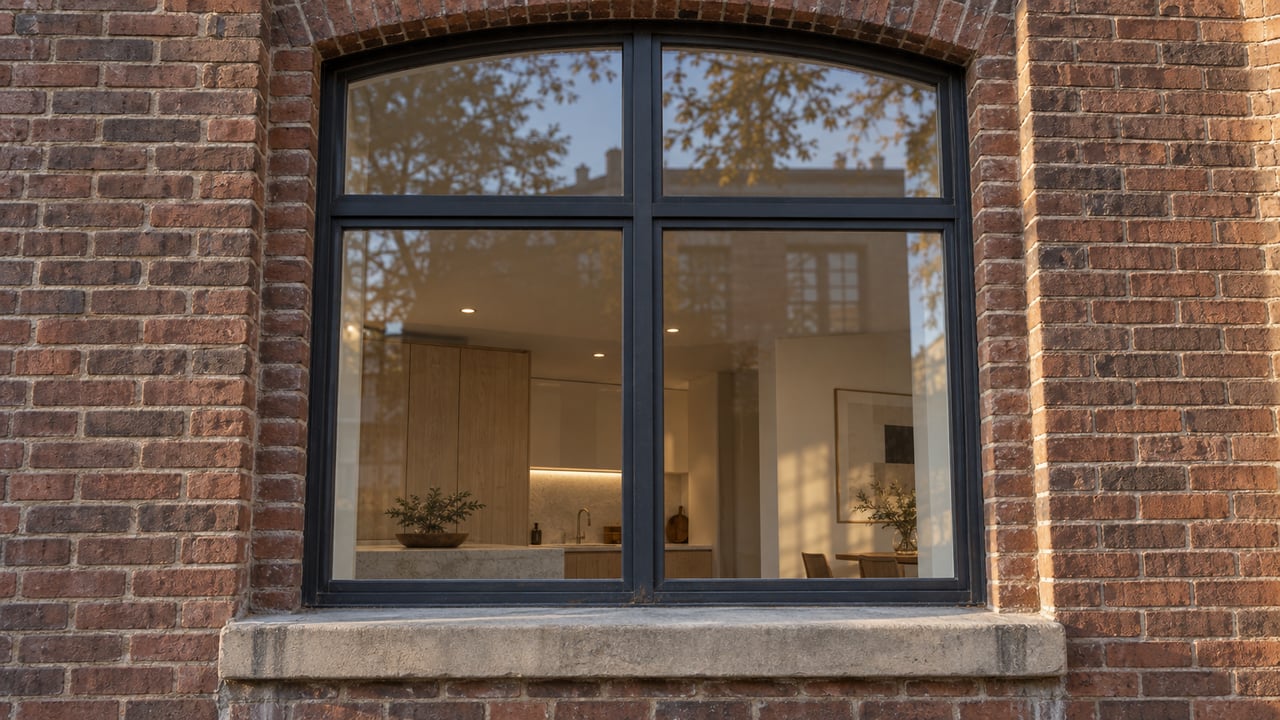
In Park Slope, exterior work can be more complicated than sellers expect. If your townhouse is in the historic district, gather the permit file before listing and confirm whether past or planned exterior work required Landmarks Preservation Commission review.
According to LPC, permits are required for exterior restoration, replacement, alteration, reconstruction, demolition, or new construction affecting a landmark or building in a historic district. Even work that is not visible from the street can require review.
Ordinary repairs done in kind, such as replacing broken glass, caulk, gutters, or touching up painted surfaces, generally do not require approval. LPC also notes that 95% of permit approvals are issued at staff level rather than through a public hearing.
Exterior projects to review carefully
Before hiring a contractor for seller prep, double-check whether these items may need LPC review:
- Window replacements
- Façade repairs
- Stoop work
- Railing changes
- Roof-related exterior alterations
This step matters because permit questions can slow a deal. A clean file helps buyers feel more comfortable about what has been done and what may still need review.
Spend where buyers will notice
Most sellers do not need a full renovation before listing. In fact, the strongest pre-sale updates are often the ones that are visible, practical, and broadly appealing.
The 2025 NAR/NARI Remodeling Impact Report found that common seller-prep recommendations included painting the entire home, painting a single interior room, and installing new roofing. The same report found strong cost recovery for a new steel front door, closet renovation, and a new fiberglass front door.
For a Park Slope townhouse, that usually points to focused improvements rather than big redesigns. Buyers tend to respond to homes that feel well maintained, bright, and easy to understand.
High-impact prep ideas
Consider updates like these before listing:
- Fresh interior paint in neutral tones
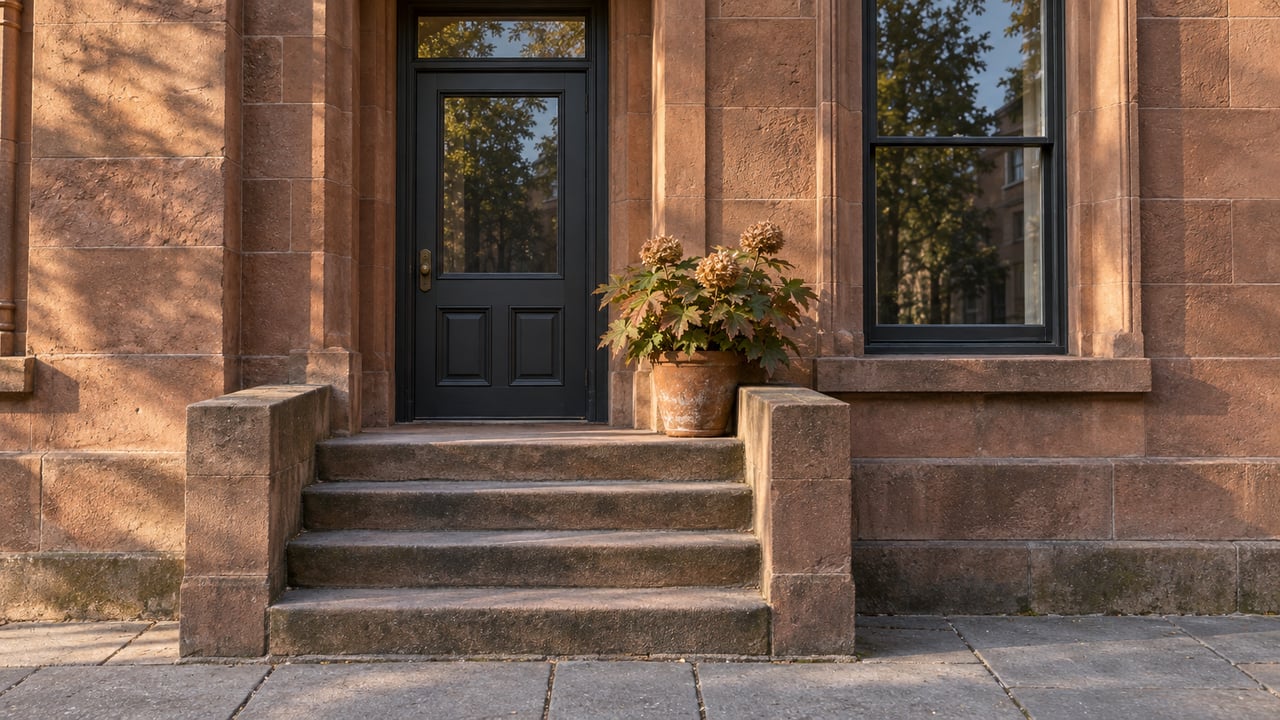
- A cleaner, sharper front entry
- Updated lighting where rooms feel dim
- Flooring touch-ups or refinishing where needed
- Hardware refreshes in kitchens and baths
- Repairs for roof or water-intrusion issues
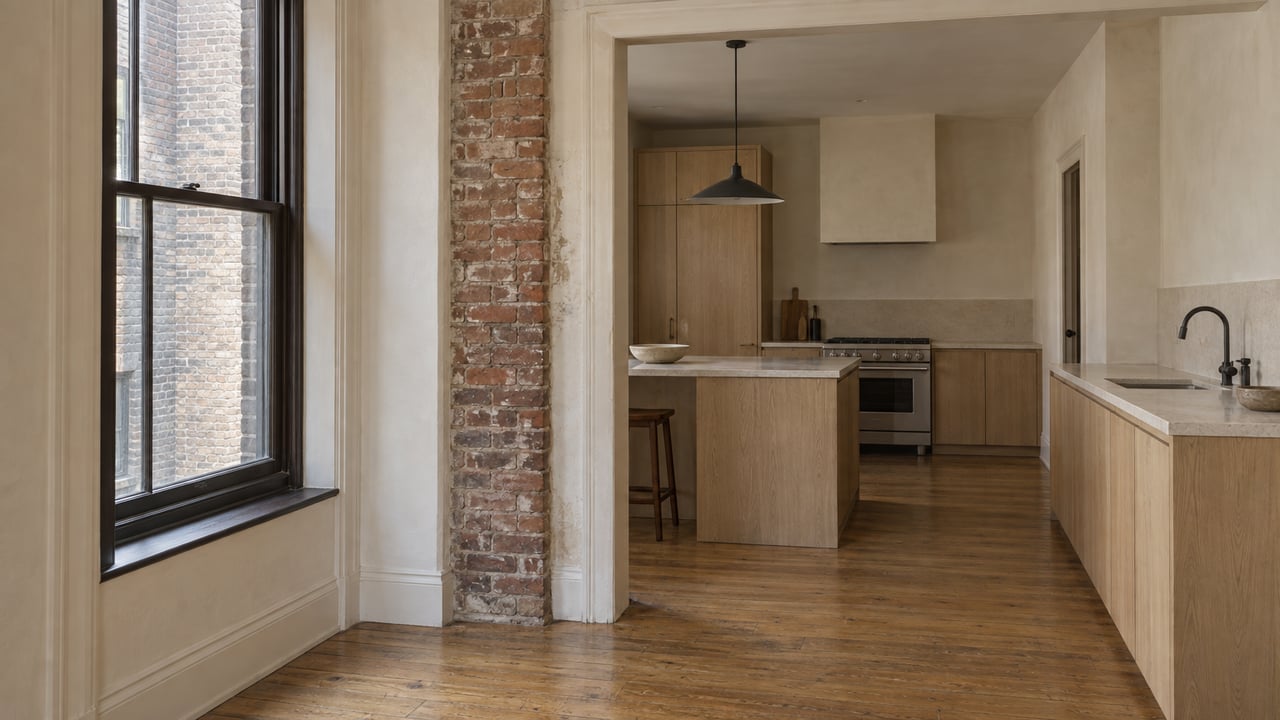
These updates support the home’s architecture without overpersonalizing it. In a townhouse market, small visual distractions can pull attention away from high-value features like ceiling height, original details, or room scale.
Stage for architecture, not decoration
Staging is not about making your home look generic. It is about helping buyers see the layout, proportions, and lifestyle potential more clearly.
NAR’s 2025 consumer staging guide reports that 83% of buyers’ agents said staging makes it easier for buyers to visualize the property as a future home. About half said staged homes sold faster, and 29% of sellers’ agents saw staging increase the dollar value offered by 1% to 10%.
For a Park Slope townhouse, the goal is usually to let the architecture lead. That means cleaner sightlines, lighter visual weight, and rooms that feel balanced rather than crowded.
Smart staging moves for townhouses
Focus on the basics that help buyers read the space:
- Pack away personal items
- Remove bulky furniture
- Keep stair halls uncluttered
- Use fresh towels and bedding
- Paint in neutral colors if needed
- Keep closets about half full
This approach can make the home feel calmer and larger. It also helps buyers focus on flow, light, and usable space across multiple floors.
Price from townhouse comps
One of the biggest pricing mistakes in Park Slope is relying too much on broad neighborhood averages. A townhouse should be priced from recent comparable sales that match the property type and reflect similar condition as closely as possible.
That matters even more in a market with limited townhouse inventory. With only a small number of active townhouse listings and a days-on-market range that suggests buyers are selective, a pricing misstep can lead to extra time on market and less negotiating power.
What strong pricing considers
A sound pricing strategy usually looks closely at:
- Recent townhouse sales, not all housing types combined
- Condition and level of renovation
- Historic character and architectural appeal
- Outdoor space and layout utility
- Documentation, permits, and buyer confidence factors
Pricing and prep should work together. If the house is presented beautifully and backed by organized records, pricing can be more persuasive from the start.
Build a realistic timeline
For some sellers, townhouse prep can move quickly. For others, especially where inspections, repairs, or exterior approvals are involved, it makes sense to start much earlier.
A practical lead time for a landmarked Park Slope townhouse can be 6 to 18 months if permit research, inspections, and exterior work may be part of the plan. That gives you time to make thoughtful decisions instead of rushed ones.
A simple prep sequence
Here is a useful order of operations:
- Review the home’s condition and records
- Schedule a pre-listing inspection if needed
- Gather permit history and confirm LPC issues
- Decide which repairs and updates are worth doing
- Build a staging plan around the architecture
- Price from recent townhouse comps
- Launch with clean presentation and documentation
The biggest mistake is listing before these pieces are organized. In a condition-sensitive market, uncertainty can weaken momentum before your listing has a chance to shine.
If you are thinking about selling a Park Slope townhouse, thoughtful preparation can protect value and make the entire process feel more controlled. For tailored guidance on pricing, staging, and positioning your home for today’s Brooklyn market, connect with The Scott / Robles Team.
FAQs
What should you inspect first in a Park Slope townhouse before selling?
- Start with the roof, water intrusion points, structure, plumbing, electrical, and heating and cooling systems.
Do you need to fully renovate a Park Slope townhouse before listing it?
- Usually no. High-visibility improvements like paint, entry updates, roofing repairs, storage improvements, and general condition fixes are often more effective than a full renovation.
Does a Park Slope historic district townhouse need permit research before sale?
- Yes. If the home is in the historic district, it is smart to gather the permit file and confirm whether exterior work required LPC review.
How long should you plan to prepare a Park Slope townhouse for sale?
- If inspections, permit research, or exterior approvals may be involved, a 6- to 18-month prep window can be practical.
What is the biggest mistake when selling a Park Slope townhouse?
- Listing before your condition file, permit file, and staging plan are organized can create avoidable uncertainty for buyers and slow the sale process.