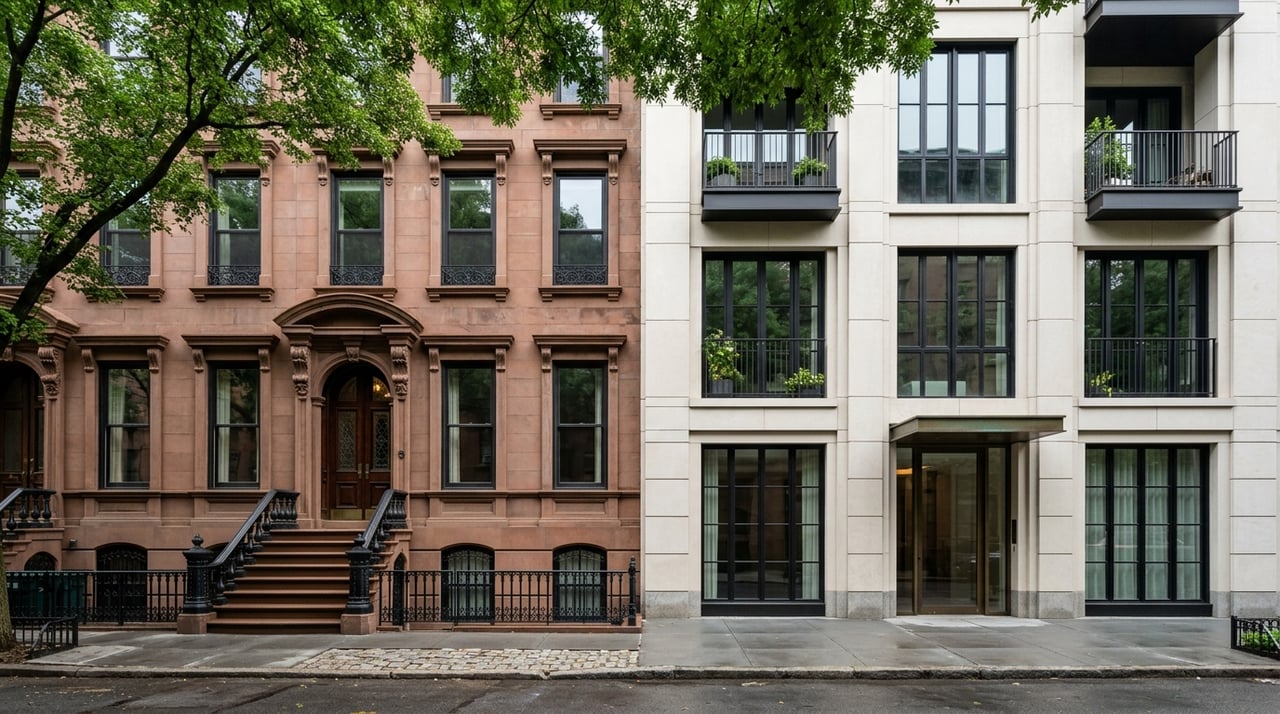
If you love Brownstone Brooklyn but keep bouncing between neighborhoods, Prospect Heights is often where the decision gets interesting. It gives you classic row-house streets, strong transit, and major cultural anchors, but it does so with a mix of old and new that feels different from nearby options. If you are trying to decide whether Prospect Heights is the right fit or whether Park Slope, Fort Greene, Clinton Hill, or Crown Heights makes more sense, this guide will help you compare the tradeoffs clearly. Let’s dive in.
Why Prospect Heights stands out
Prospect Heights sits in one of central Brooklyn’s most connected and institution-rich corridors. StreetEasy describes it as a mix of old and new Brooklyn, with brownstone side streets, newer condo development, and active commercial stretches along Vanderbilt and Washington Avenues.
That combination is what makes the neighborhood distinct. You get the visual appeal many buyers want from Brownstone Brooklyn, but you also get a broader housing mix and easy access to destinations like the Brooklyn Museum, Brooklyn Botanic Garden, Grand Army Plaza, and Barclays Center.
Prospect Heights at a glance
Compared with nearby brownstone neighborhoods, Prospect Heights often reads as the middle ground. It is not as purely residential as Park Slope, not as arts-centered as Fort Greene, and not as busy or broad in feel as Crown Heights.
For many buyers, that balance is the appeal. You can find quieter blocks and classic architecture, while still staying close to major amenities, strong subway access, and newer condo options.
How the daily feel compares
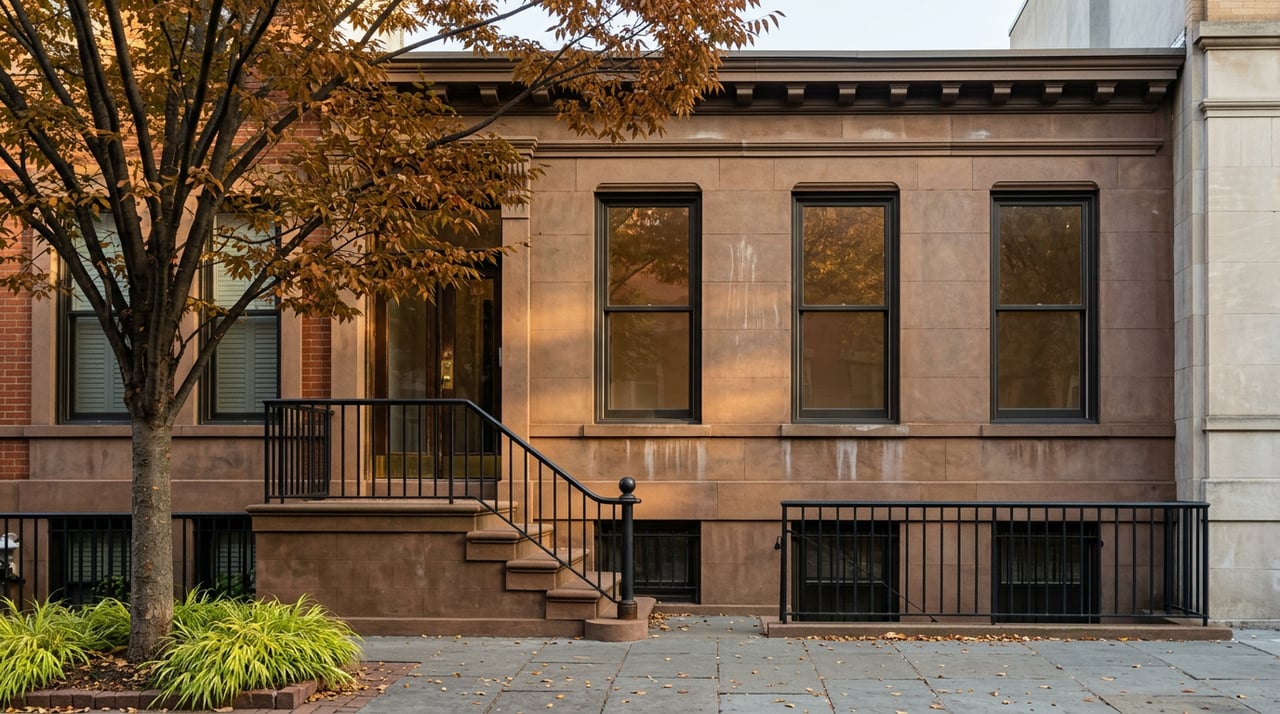
Prospect Heights streetscape
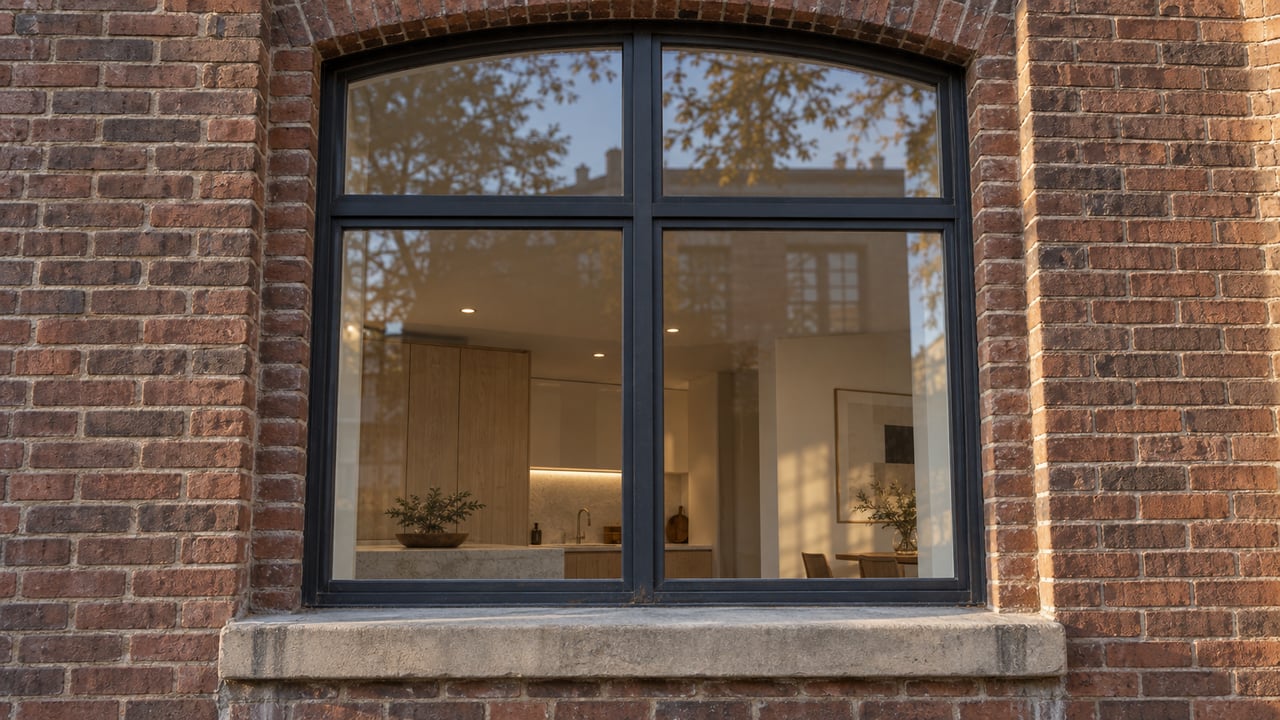
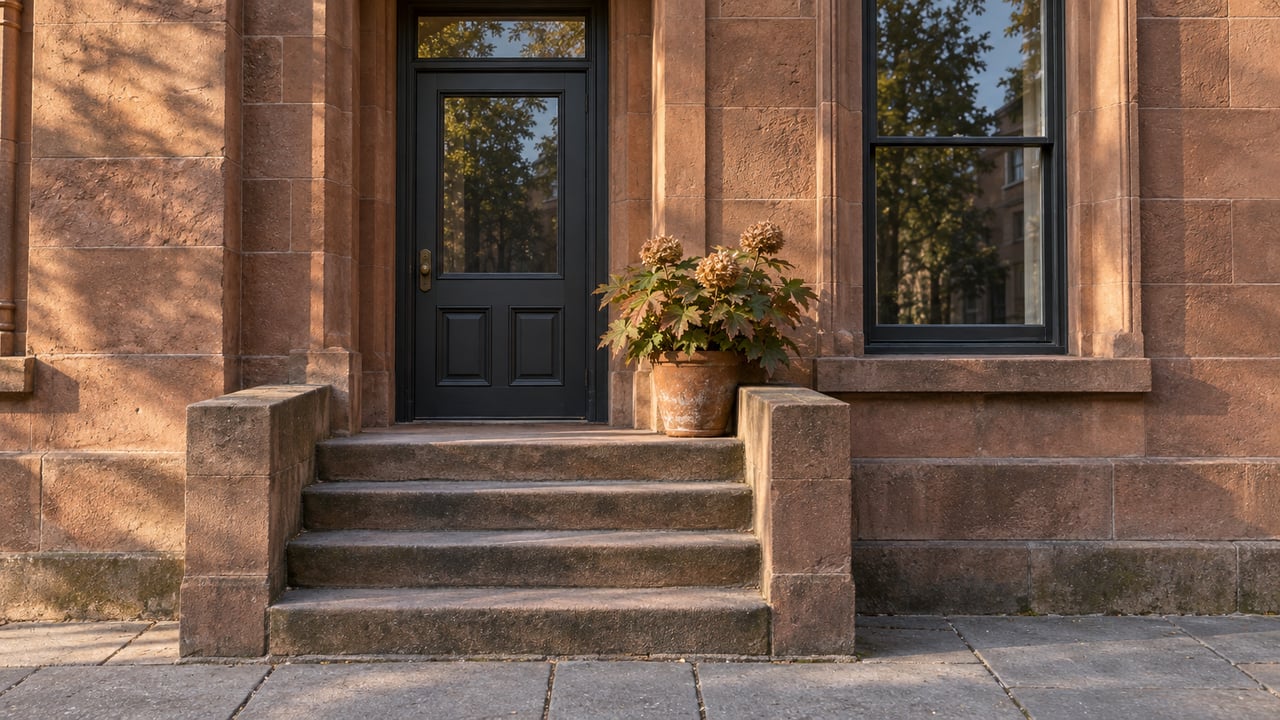
Prospect Heights offers one of the clearest mixes of uses in this part of Brooklyn. Quiet side streets with brownstones sit near commercial corridors and newer residential development, which creates a neighborhood rhythm that feels both residential and active.
That mix can be especially appealing if you want charm without feeling cut off from city energy. The neighborhood’s identity is also shaped by nearby institutions, which gives it a stronger destination feel than some surrounding areas.
Park Slope atmosphere
Park Slope is the most park-centered and residential comparison. StreetEasy describes it as serene and historic, with wide, shady streets, abundant brownstones, and Prospect Park as the defining feature.
If your priority is a calmer, more consistently residential environment, Park Slope may feel like the clearest match. The tradeoff is that pricing is higher on the sales side, and the neighborhood can feel less mixed in housing type.
Fort Greene atmosphere
Fort Greene brings a stronger cultural identity to the brownstone formula. StreetEasy describes it as a cultural hub with quiet leafy streets, historic brownstones and row houses, and BAM at the center of neighborhood life.
If you are drawn to arts institutions and a neighborhood with a distinct cultural profile, Fort Greene stands apart. It also shares strong connectivity through the Atlantic Avenue-Barclays Center transit hub.
Clinton Hill atmosphere
Clinton Hill shares a lot of brownstone Brooklyn character, but with a different architectural emphasis. StreetEasy highlights mansions, carriage houses, ornate row houses, and a landmarked historic district.
In practical terms, Clinton Hill can feel more residential and architecture-driven than institution-driven. If your eye goes straight to historic detail and stately housing stock, it may rise quickly on your list.
Crown Heights atmosphere
Crown Heights is the liveliest contrast in this group. StreetEasy describes it as broad, vibrant, eclectic, and busier along major commercial corridors such as Nostrand Avenue and Eastern Parkway.
For some buyers, that extra energy is a plus. For others, it may feel less aligned with the quieter brownstone-block experience they have in mind.
How prices compare right now
Current StreetEasy median pricing helps frame where Prospect Heights sits in the market. It is not the cheapest option in the group, but it often lands in a useful middle position for buyers who want strong location benefits without Park Slope or Fort Greene sales pricing.
| Neighborhood | Median Sale Price | Median Rent |
|---|---|---|
| Prospect Heights | $1.3M | $4,300 |
| Park Slope | $1.7M | $4,100 |
| Fort Greene | $1.7M | $4,500 |
| Clinton Hill | about $997K | $4,550 |
| Crown Heights | $1.2M | $3,300 |
These figures show why Prospect Heights often feels like a compromise in the best sense. Its median sale price sits below Park Slope and Fort Greene, while its median rent is not dramatically below them, which suggests that monthly carrying costs and lifestyle access can still feel very competitive.
What you can actually buy in Prospect Heights
One of Prospect Heights’ biggest strengths is housing variety. StreetEasy notes that co-ops and walk-up rentals are generally less expensive than neighboring Park Slope and Fort Greene, while new condo construction has helped push pricing upward.
That matters because buyers are not shopping a single product type here. Recent New York City Department of Finance sales records show activity that includes co-op elevator buildings along Eastern Parkway and condo sales on Butler Place, Washington Avenue, and Pacific Street.
If you want a classic brownstone feel
Park Slope and Fort Greene may have the clearest edge if your goal is a highly traditional brownstone environment. Park Slope is especially tied to historic homes and classic residential streets, while Fort Greene combines brownstones with a strong cultural identity.
Prospect Heights still delivers brownstone blocks, but the housing picture is more mixed. That can be a positive if you want flexibility rather than a neighborhood dominated by one housing style.
If you want condos or co-ops
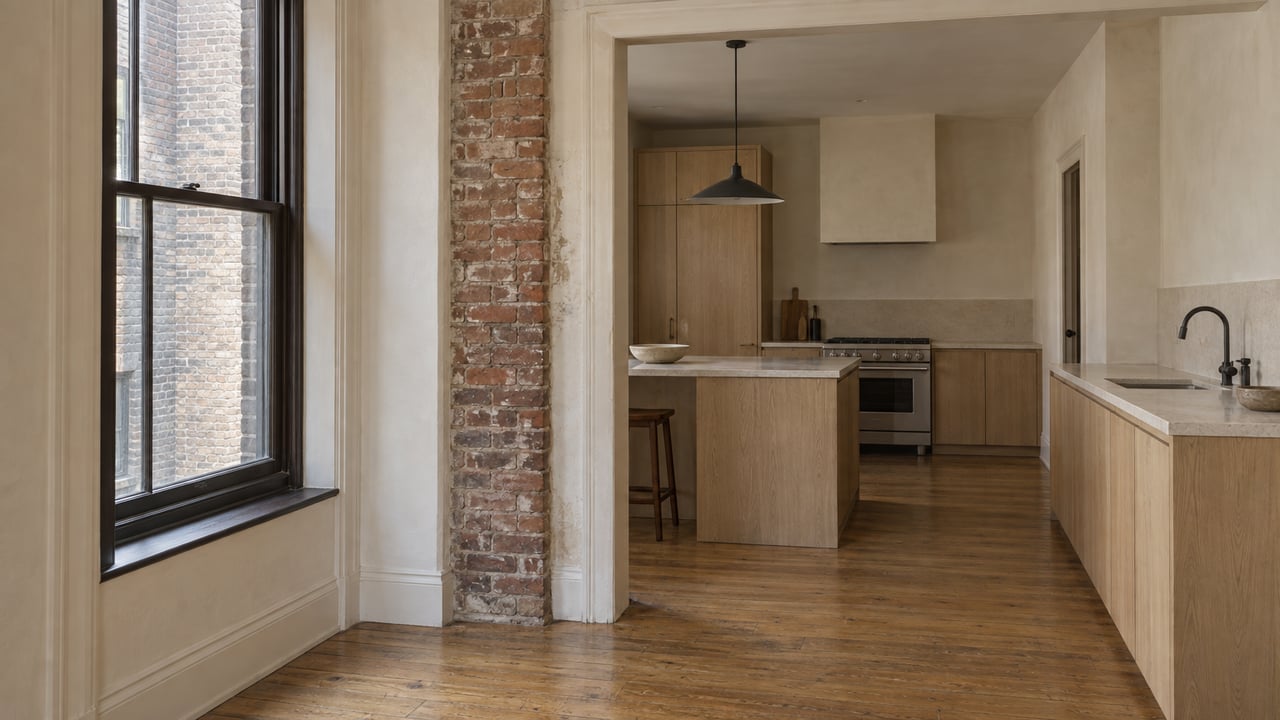
Prospect Heights becomes especially compelling when you want options. Because the neighborhood includes newer condo development as well as established co-op stock, it can open more paths for buyers who are weighing building style, maintenance, layout, and price point.
That broader mix is part of why Prospect Heights often works well for first-time and move-up buyers. You are not limited to one version of Brownstone Brooklyn living.
Amenities that shape the neighborhood
Prospect Heights has an unusually dense collection of nearby anchors. NYC Tourism highlights the Brooklyn Museum, Brooklyn Botanic Garden, Grand Army Plaza Memorial Arch, Barclays Center, and the Brooklyn Nets as part of the neighborhood’s appeal.
The Brooklyn Botanic Garden alone is a major regional destination, spanning 52 acres with more than 12,000 kinds of plants. That kind of amenity density gives Prospect Heights a daily convenience and cultural access that can be hard to match.
How that compares nearby
Park Slope is defined most clearly by Prospect Park, a 526-acre park that shapes the neighborhood’s lifestyle and identity. If direct access to large-scale green space is your top priority, Park Slope has a very specific advantage.
Fort Greene is anchored by BAM and Fort Greene Park, giving it a stronger arts-and-performance orientation. Clinton Hill is more residential in feel, with historic architecture and local retail as the primary draw, while Crown Heights leans more toward active street life and busy neighborhood corridors.
Transit and connectivity
Transit is one of Prospect Heights’ strongest selling points. The MTA’s 2 line map includes Eastern Parkway-Brooklyn Museum and Grand Army Plaza, and the neighborhood also benefits from proximity to Atlantic Avenue-Barclays Center with B, D, N, Q, R, 2, 3, 4, and 5 service.
That level of access is unusual for a neighborhood that also offers so much brownstone character. For buyers balancing commute needs with neighborhood feel, this can be a deciding factor.
Nearby commute tradeoffs
Fort Greene also benefits from the Atlantic Avenue-Barclays Center hub, so it competes well on connectivity. Park Slope has strong subway access too, including the F, G, and R, though StreetEasy notes that Midtown commutes can stretch to 45 minutes depending on where you live.
Crown Heights remains transit-rich along the same general corridor, especially around Eastern Parkway and farther east near Franklin Avenue. In other words, several of these neighborhoods are well connected, but Prospect Heights stands out because the transit access pairs with such a balanced neighborhood profile.
Which neighborhood may fit you best
Choose Prospect Heights if you want balance
Prospect Heights is often the best all-around choice if you want cultural institutions, brownstone blocks, condo options, and strong transit in one neighborhood. Based on the neighborhood’s mixed housing stock, major amenities, and mid-pack pricing, it offers one of the most balanced entries into Brownstone Brooklyn.
This is often the neighborhood for buyers who do not want to overcommit to a single lifestyle lane. You can enjoy classic Brooklyn streetscapes, but still keep flexibility in housing type and daily routine.
Choose Park Slope if you want calm and park access
Park Slope is the clearest fit if you want the most park-centered and residential version of Brownstone Brooklyn. Its identity is tied closely to Prospect Park and a serene historic streetscape.
If that is your top priority, the premium may be worth it. It is a strong choice for buyers who want a more uniform neighborhood feel.
Choose Fort Greene if you want arts and culture
Fort Greene stands out if you want brownstone streets plus a deeper arts identity. With BAM and strong transit access, it combines historic housing with a cultural profile that feels especially distinct.
It may appeal most if neighborhood identity is a major part of your search. Buyers often choose it for feel as much as function.
Choose Clinton Hill or Crown Heights for alternatives
Clinton Hill can be a smart alternative if you are drawn to historic architecture and want a more residential, design-forward feel. Its median sale price is lower than Prospect Heights, though median rent is higher.
Crown Heights offers more energy, more variety, and a lower rent baseline. If you want a broader, more eclectic neighborhood and are comfortable with a busier street experience, it can be a strong comparison point.
The bottom line on Prospect Heights
Prospect Heights works so well because it does not force you into a single definition of Brownstone Brooklyn. You get access to classic blocks, cultural institutions, multiple housing types, and some of the best connectivity in this part of the borough.
For many buyers, that makes it the smartest middle path. If you are comparing nearby neighborhoods and want a place that blends charm, convenience, and flexibility, Prospect Heights deserves a close look.
If you want help comparing Prospect Heights to nearby Brooklyn neighborhoods block by block, property type by property type, the The Scott / Robles Team can help you make a clear, informed decision.
FAQs
How does Prospect Heights compare to Park Slope for buyers?
- Prospect Heights offers a more mixed environment with brownstones, newer condos, major institutions, and strong transit, while Park Slope is more purely residential and centered around Prospect Park.
How does Prospect Heights compare to Fort Greene for neighborhood feel?
- Prospect Heights feels more balanced between residential charm and major amenities, while Fort Greene has a stronger arts and culture identity centered around BAM and nearby public spaces.
What is the median sale price in Prospect Heights?
- StreetEasy currently places the median sale price in Prospect Heights at about $1.3 million.
What is the median rent in Prospect Heights?
- StreetEasy currently places the median rent in Prospect Heights at about $4,300 per month.
What types of homes can you find in Prospect Heights?
- Prospect Heights includes a mix of brownstones, co-ops, walk-up rentals, and newer condos, which gives buyers more variety than some nearby brownstone neighborhoods.
Why do buyers consider Prospect Heights a strong all-around option?
- Buyers often see Prospect Heights as a strong compromise because it combines cultural landmarks, attractive residential blocks, multiple housing types, and excellent subway access in one neighborhood.
Is Prospect Heights well connected by subway?
- Yes. Prospect Heights is served by stations along the 2 line corridor and is also close to Atlantic Avenue-Barclays Center, which offers access to the B, D, N, Q, R, 2, 3, 4, and 5 trains.