What makes Fort Greene stand out in a borough full of memorable neighborhoods? For many buyers and renters, it is the rare mix of classic Brooklyn architecture, major cultural institutions, and true everyday green space. If you are considering a move here, understanding how those pieces fit together can help you decide whether Fort Greene matches the way you want to live. Let’s dive in.
Fort Greene at a glance
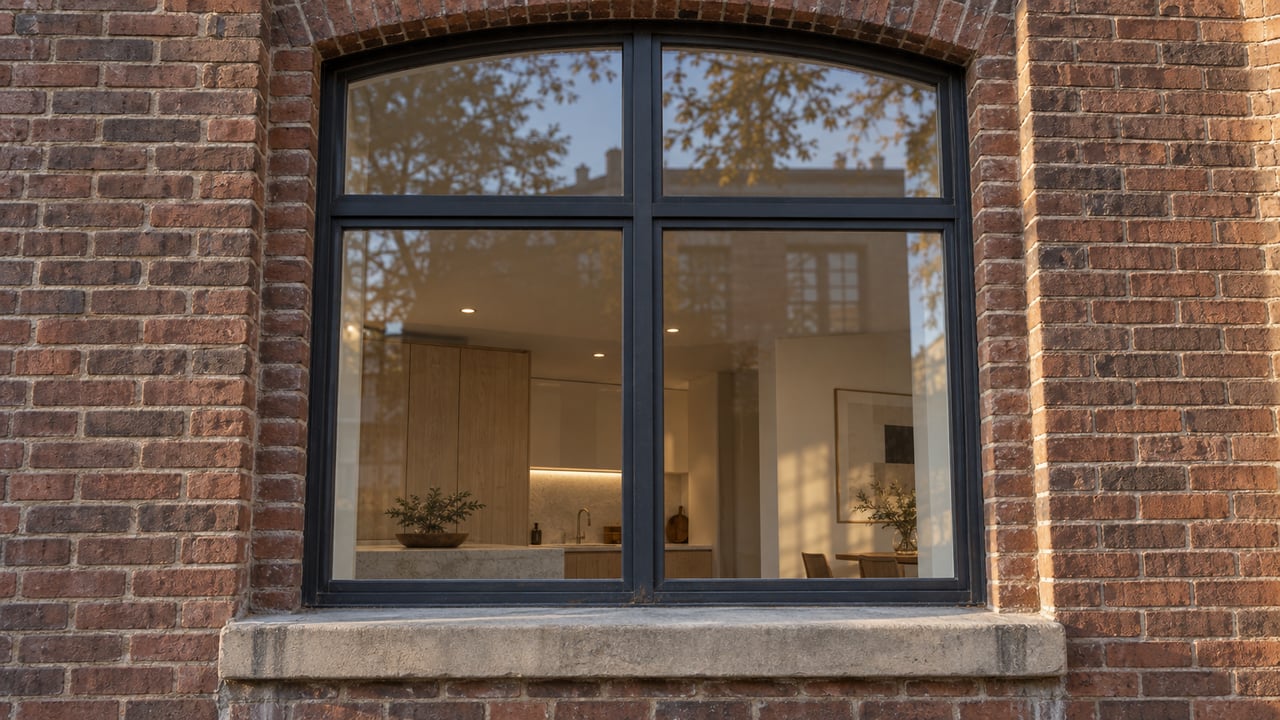
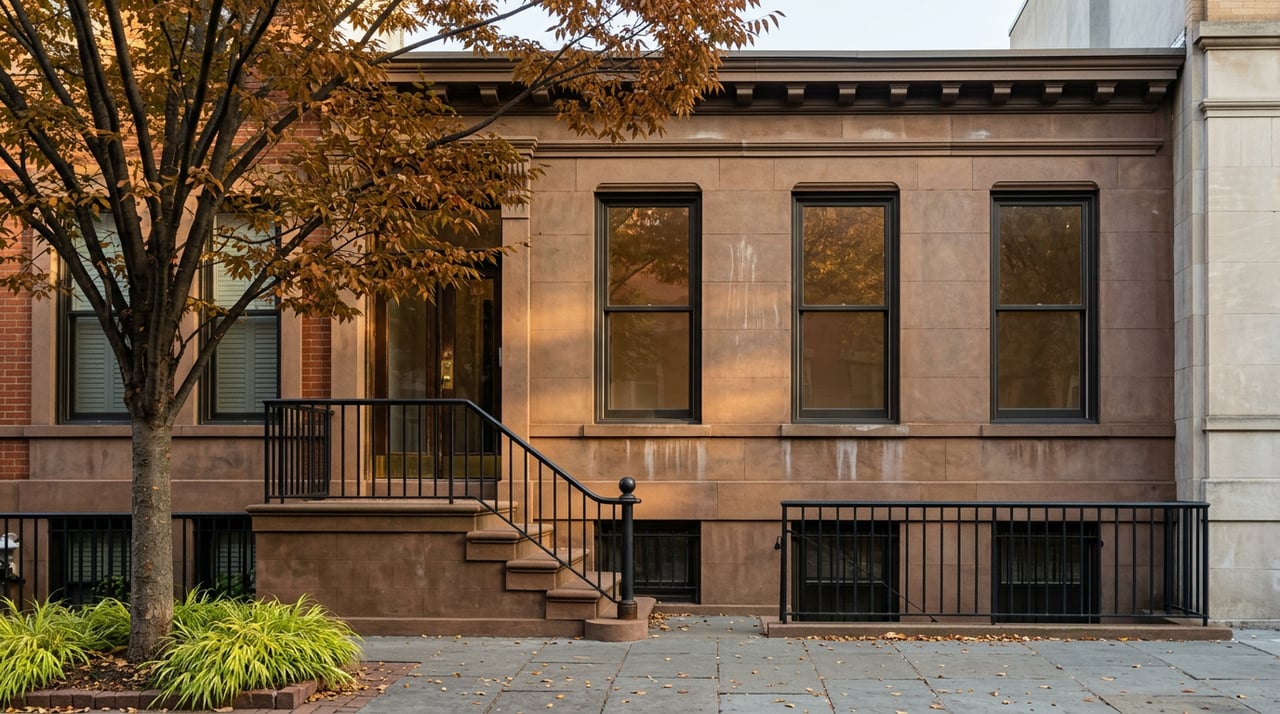
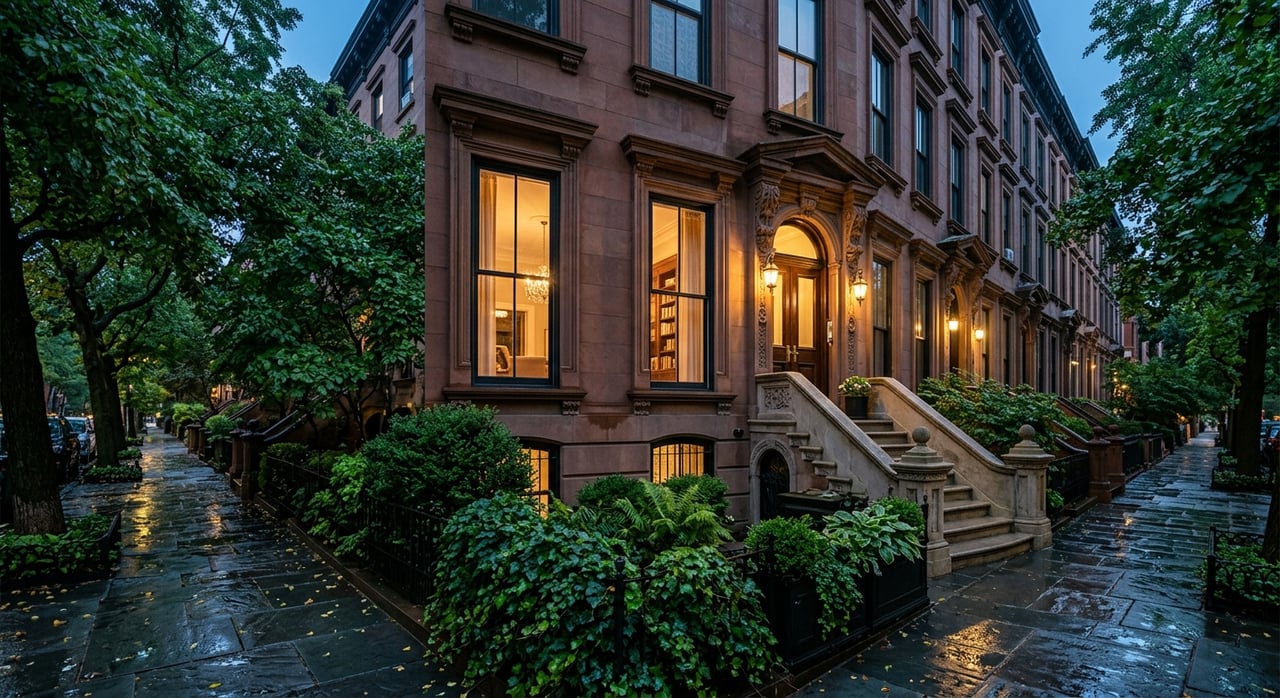
Fort Greene sits just east of Downtown Brooklyn, but it often feels more tucked in than you might expect for such a central location. The neighborhood is known for its predominantly low-rise character, with many three- to five-story brownstone row houses shaping the streetscape.
That physical setting gives Fort Greene a distinct rhythm. You can walk a residential block lined with historic facades, then reach active commercial corridors, cultural venues, and transit in just a few minutes.
Brownstone architecture shapes the feel
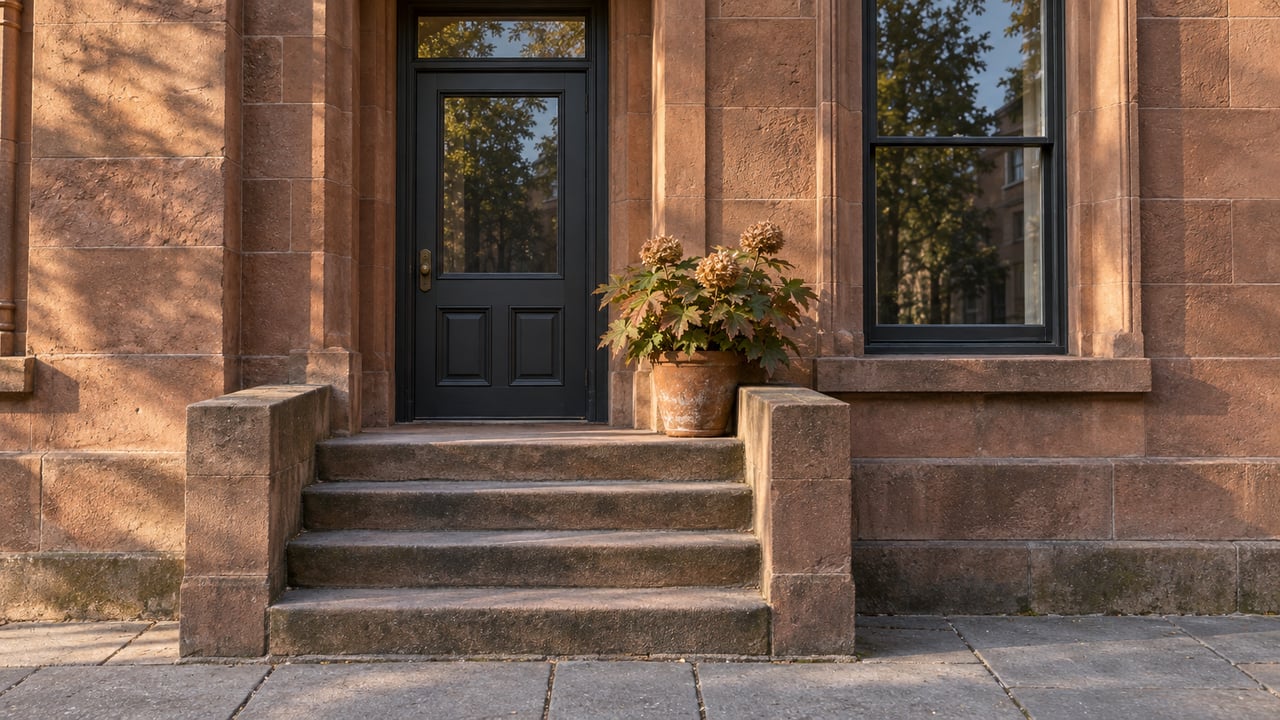
Fort Greene’s built environment is one of its biggest draws. Preservation records describe a neighborhood of Italianate, Queen Anne, and neo-Grec brownstone and brick row houses from the mid- to late-19th century.
For you as a buyer or future resident, that means the neighborhood often feels visually cohesive from block to block. Even with larger development around the edges, much of Fort Greene still reads as a classic Brooklyn brownstone enclave.
Historic district context matters
The Fort Greene Historic District was designated by the Landmarks Preservation Commission in 1978. Preservation summaries also note that the neighborhood’s landmark context was later split between the Fort Greene Historic District and the Brooklyn Academy of Music Historic District.
That history helps explain why Fort Greene can feel both calm and architecturally consistent in many residential areas, while still having a busier commercial edge along corridors like Fulton Street. In practical terms, you get a neighborhood that feels grounded and established rather than visually scattered.
Housing types you will notice
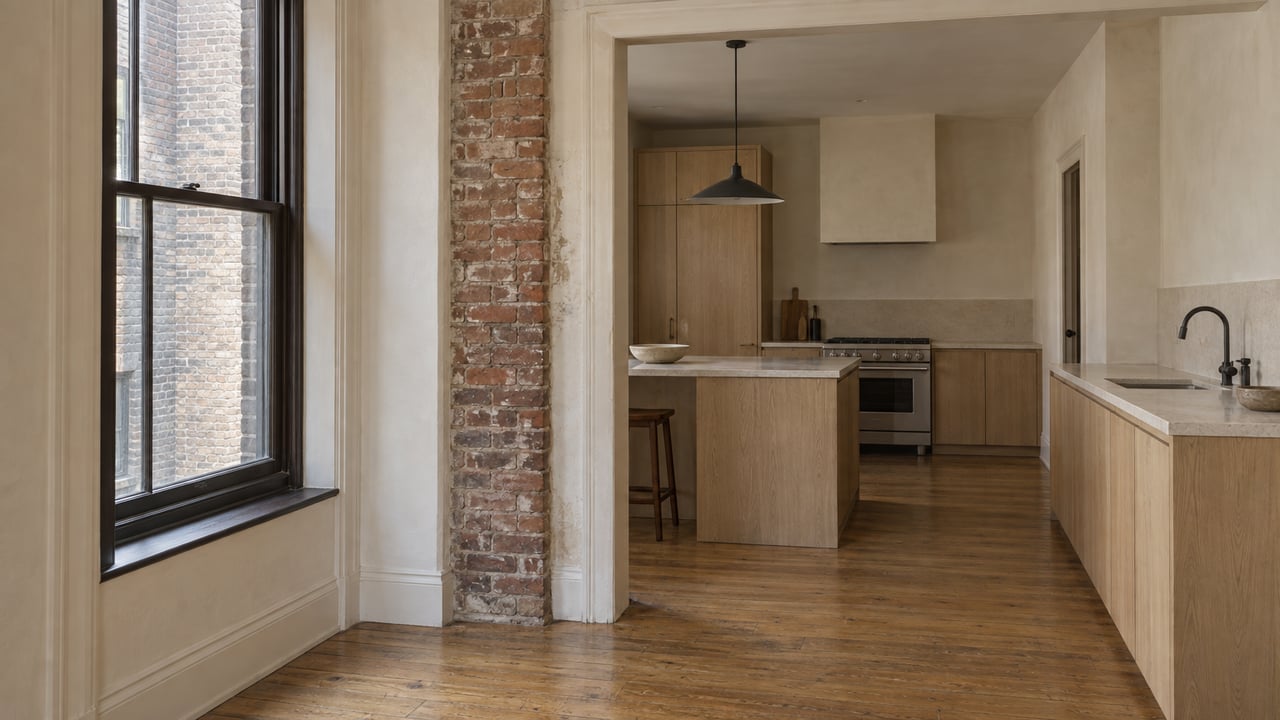
The most defining housing type is the brownstone row house, but that is not the whole picture. City planning materials also note a mix that includes larger mansions and apartment buildings.
If you are exploring the area, this variety can create more than one path into the neighborhood. Some buyers are drawn to townhouse living and historic detail, while others may focus on apartment-style options with a different maintenance profile.
Culture is part of daily life
Fort Greene is not just pretty to look at. It has one of Brooklyn’s clearest cultural anchors in BAM, the Brooklyn Academy of Music.
BAM describes its programming as spanning film, music, theater, dance, talks, poetry, kids programming, visual art, puppetry, and circus. Its long history and broad calendar help make culture feel like part of neighborhood life, not just something you travel for.
BAM gives the neighborhood a creative center
For residents, BAM can shape the pace of the week. You may have quiet residential blocks at home, then easy access to performances, screenings, or public programs nearby.
That kind of access matters because it adds depth to day-to-day living. Fort Greene offers more than housing stock and commute convenience. It also offers a built-in cultural routine if that matters to you.
Dining and markets add energy
Fort Greene also has a strong local food rhythm. The Fort Greene Greenmarket operates year-round on Saturdays at Washington Park between DeKalb and Willoughby, outside the park entrance, and has connected local farms with neighborhood residents since 2003.
Beyond the market, neighborhood reporting describes a dense and varied restaurant scene, especially around Fulton, Lafayette, and DeKalb. You will find a mix of bistros, Mediterranean spots, wine bars, Japanese dining, Latin American fare, and Thai options.
Public space supports street life
Fowler Square is a good example of how public design can shape the neighborhood experience. The city says the 2018 plaza project added pedestrian space, trees, benches, and planters near BAM and nearby shops and restaurants.
For you, that translates into a more comfortable walking environment in one of Fort Greene’s busiest cultural areas. It also reinforces the neighborhood’s balance of activity and livability.
Fort Greene Park anchors outdoor life
Fort Greene Park is the neighborhood’s defining open space, and it plays a major role in how the area lives. NYC Parks lists the park at 30.17 acres, which is a meaningful amount of green space for such a central Brooklyn location.
This is not just a scenic backdrop. The park supports daily routines, weekend plans, and casual use across age groups and household types.
What you will find in the park
According to NYC Parks, Fort Greene Park includes:
- Basketball courts
- Playgrounds
- Tennis courts
- Barbecue areas
- Dog-friendly areas
- A nature center
- Restrooms
- Spray showers
- Wi-Fi hot spots
- The Prison Ship Martyrs Monument
That range of amenities helps make the park useful in real life, not just attractive on paper. Whether you want space to walk, sit, play, meet friends, or spend time outdoors with a dog, the park supports many kinds of routines.
The park carries real history
Fort Greene Park also brings historic depth to the neighborhood. NYC Parks says the site was originally used for Revolutionary War and War of 1812 forts, became a designated park in 1847, and was redesigned by Frederick Law Olmsted and Calvert Vaux beginning in the 1860s.
That history gives the space a civic weight that many neighborhood parks do not have. It is both an everyday amenity and a place with a strong sense of continuity.
Green space feels practical, not decorative
One reason Fort Greene appeals to so many buyers is that its green space feels woven into regular life. The park supports recreation, dog walking, and community gatherings, while nearby smaller playgrounds add more neighborhood-scale options for short outings.
If you want a Brooklyn neighborhood where open space is easy to use rather than just nice to mention, Fort Greene stands out. The park is central to how the neighborhood feels and functions.
Transit keeps Fort Greene connected
Fort Greene’s location is part of its appeal, but transit is what makes that location work so well. City planning materials identify A and C service along Fulton Street and G service along Lafayette Avenue.
Current MTA station information also points to nearby access at Atlantic Av-Barclays Ctr for the D, N, Q, R, 2, 3, 4, and 5, along with the accessible Atlantic Terminal LIRR station across the street. For residents on the western side of the neighborhood, the Fulton Street G stop is especially relevant.
Why the commute story matters
In practical terms, Fort Greene gives you a residential setting without cutting you off from the rest of the city. You have fast links to Downtown Brooklyn, Manhattan, and regional rail.
That balance is a major reason people stay interested in the neighborhood. You can enjoy a calmer home base while still keeping car-free access to work, dining, cultural destinations, and other parts of the region.
Is Fort Greene lively or quiet?
The honest answer is both. The low-rise historic core and the park can make many blocks feel calm, especially compared with busier nearby districts.
At the same time, BAM, the restaurant scene, the greenmarket, and pedestrian-friendly public spaces keep the neighborhood active. If you want a place with real energy but do not want to feel surrounded by nonstop intensity, Fort Greene often hits that middle ground.
Who Fort Greene may suit best
Fort Greene can appeal to a wide range of buyers and renters because it offers several strengths at once. It may be a good fit if you value:
- Historic brownstone architecture
- Access to cultural programming
- A large neighborhood park
- Walkable daily routines
- Strong subway and rail connections
- A mix of quieter blocks and active corridors
As with any Brooklyn neighborhood, the right fit depends on your priorities, budget, and preferred housing type. But if you are looking for a place where architecture, culture, and green space all show up in daily life, Fort Greene deserves a close look.
If you are thinking about buying, selling, or relocating within Brownstone Brooklyn, neighborhood nuance matters. Working with a team that understands how lifestyle, housing stock, and block-by-block character come together can make your search or sale much more strategic. The Scott / Robles Team brings deep Brooklyn market knowledge and a high-touch approach to helping clients make smart, well-informed moves.
FAQs
What type of housing defines Fort Greene in Brooklyn?
- Fort Greene is best known for its three- to five-story brownstone row houses, with some larger mansions and apartment buildings mixed in.
What gives Fort Greene its neighborhood identity?
- Fort Greene’s identity comes from its landmarked brownstone blocks, Fort Greene Park, BAM, and the year-round Fort Greene Greenmarket.
What cultural venue anchors Fort Greene?
- BAM is the neighborhood’s signature cultural anchor, with programming that includes film, music, theater, dance, talks, poetry, visual art, and more.
What outdoor space is most important in Fort Greene?
- Fort Greene Park is the neighborhood’s defining open space, with 30.17 acres and amenities that include courts, playgrounds, dog-friendly areas, and barbecue space.
Is Fort Greene convenient for commuting?
- Yes. The neighborhood has nearby A, C, and G subway service, plus access to Atlantic Av-Barclays Ctr and Atlantic Terminal LIRR.
Does Fort Greene feel more active or more residential?
- It offers both. Many residential blocks feel calm and cohesive, while cultural venues, restaurants, the greenmarket, and public plazas add energy nearby.