Wondering whether Williamsburg’s waterfront condo market is worth the premium? If you are drawn to river views, newer buildings, and easy access into Manhattan and Brooklyn, you are not alone. The challenge is that “waterfront” in Williamsburg is not one simple product type, and the differences between buildings, unit lines, and monthly costs can be significant. This guide will help you sort through what matters most so you can shop with more clarity and confidence. Let’s dive in.
Why Williamsburg’s waterfront stands apart
Williamsburg remains one of Brooklyn’s premium markets, but it is not one-note. StreetEasy describes the neighborhood as one of the borough’s most expensive areas, with a mix of new construction, converted lofts, prewar homes, and historic buildings. Its 2026 buyer-market data puts the median asking price at $1,787,500, with 208 homes for sale.
For waterfront buyers, that context matters. You are often paying not just for square footage, but for a location premium tied to the East River, newer development, and access to open space. That means two condos with similar interiors can feel very different in value depending on where they sit and what surrounds them.
How the waterfront was shaped
Williamsburg’s waterfront condo scene did not appear by accident. NYC Planning’s Greenpoint-Williamsburg waterfront framework requires public shore walkways and upland connections, and in some districts requires 15% or 20% of a lot to be dedicated to public waterfront access.
That planning framework helps explain why many waterfront projects include esplanades, seating areas, open space, and pedestrian connections. It also means that the experience of living on the waterfront often includes a more public setting than buyers expect, especially compared with quieter inland residential blocks.
Projects along the waterfront reflect this pattern. City planning materials for developments such as The Edge show public walkways, trees, seating, and visual corridors along the East River. Domino and River Ring were also planned as mixed-use waterfront projects with residential space, commercial uses, and publicly accessible open space.
What to compare in a waterfront condo
Unit line matters more than you think
In Williamsburg waterfront buildings, the line can matter just as much as the building name. River-facing, bridge-facing, and inward-facing units may all sit in the same address, but they can offer very different light, outlook, and privacy.
NYC’s waterfront rules preserve visual corridors, which can influence how open a unit feels. Still, that does not guarantee the same quality of view from every apartment. A higher floor, a better exposure, or a line with less directly in front of it can make a meaningful difference.
When you tour, compare units side by side if possible. Do not assume “waterfront building” automatically means sweeping river views from every residence.
Floor plans deserve close attention
A well-staged model unit can be persuasive, but floor plans tell the real story. The New York Attorney General advises condo buyers to read the full offering plan, verify how room counts are calculated, and make sure any material promises appear in writing.
That is especially important in newer condos, where marketing language can sometimes sound broader than the legal documents. If a layout, terrace, storage area, or finish package matters to you, confirm that it is described clearly in the plan and purchase documents.
Amenities should be verified, not assumed
Williamsburg waterfront condos often lean heavily on amenities. Fitness rooms, roof decks, staffed lobbies, parking, bike storage, outdoor common areas, and family-oriented shared spaces are all common points of comparison.
But the exact amenity package is building-specific. According to the Attorney General, the offering plan governs promised items such as recreational facilities, parking spaces, and rooftop cabanas. If an amenity is not promised in the plan, the sponsor is not obligated to deliver it.
That is why a polished brochure should never be your only source. The most useful comparison is often between the amenity list, the offering plan, and the first-year budget.
Older versus newer waterfront options
Newer condos often trade on convenience
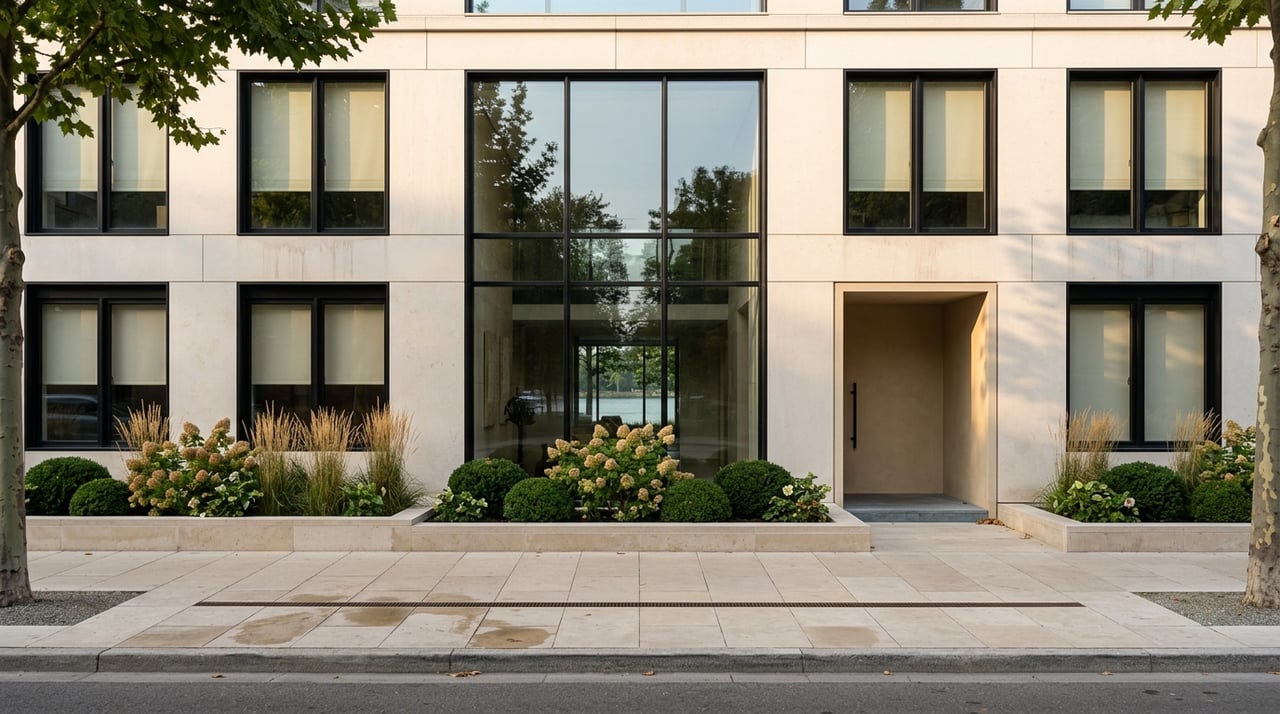
Many waterfront buyers are drawn to newer construction for obvious reasons. You may find more contemporary layouts, larger common areas, and a broader amenity package than in older building stock.
Still, newer does not mean simpler. In a new development condo, your due diligence should focus closely on sponsor promises, projected carrying costs, and whether the budget supports the lifestyle the building is marketing.
Older stock calls for a different lens
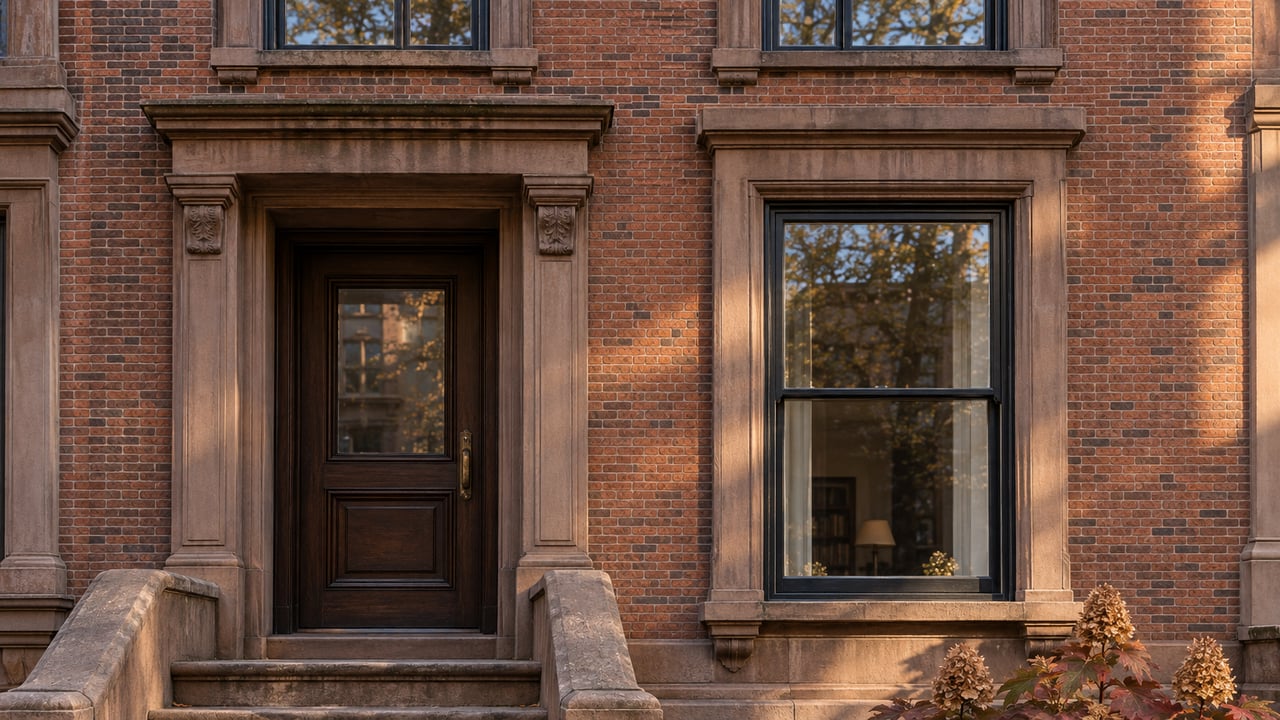
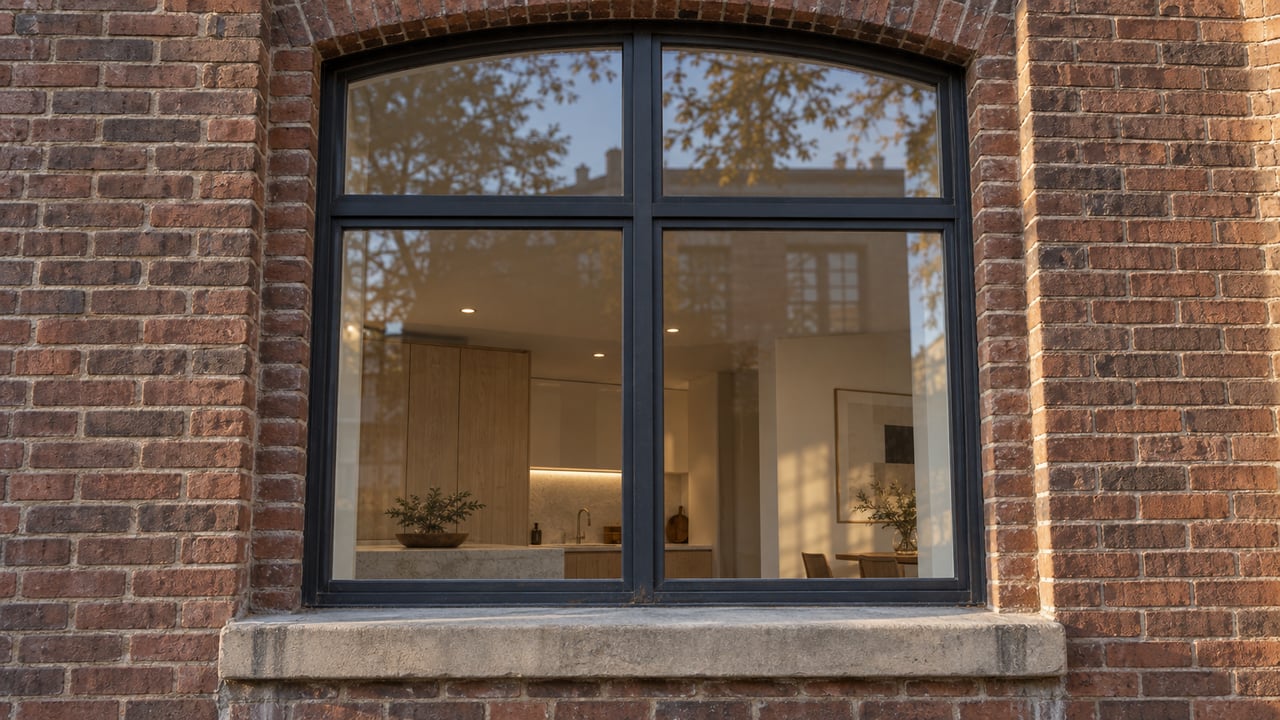
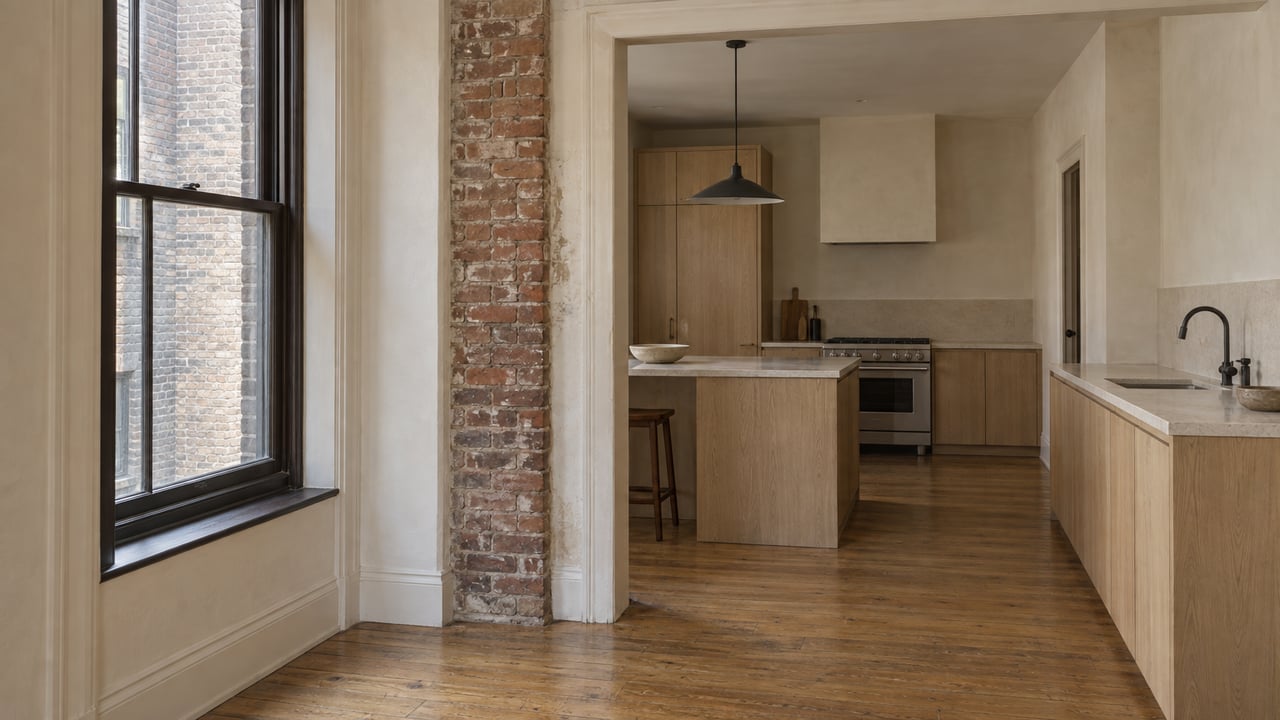
Not every waterfront-adjacent purchase is in a newly built tower. Williamsburg also includes older loft and historic building stock, and those properties require a different kind of review.
In older buildings, buyers should take a closer look at building systems and maintenance history. The Attorney General specifically points buyers toward known defects, posted violations, recent financial reports, and expensive building-wide issues such as façades, roofs, elevators, plumbing, electrical systems, and boilers.
Transit and access on the waterfront
One reason Williamsburg’s waterfront stays in demand is that it offers layered transportation options. StreetEasy highlights access to Manhattan and other parts of Brooklyn and Queens through the L, G, J, and M lines, and the current MTA L timetable includes Williamsburg stops such as Bedford Avenue and Lorimer Street.
The Williamsburg Bridge is another major connector. NYC DOT notes that it links Manhattan and Brooklyn, carries J, M, and Z subway tracks, and includes both a walkway and bikeway.
Ferry access is a real differentiator for many waterfront buyers. NYC Ferry’s East River route serves both North Williamsburg and South Williamsburg. During weekday peak hours and on non-winter weekends, the route can split into East River (A) and East River (B), so it is worth confirming which landing is most practical from a specific building.
If you bike, the Brooklyn Waterfront Greenway adds another layer of convenience. NYC DOT notes that much of this 27-mile waterfront pedestrian and bicycle route is already in place along Kent Avenue.
Monthly costs can vary widely
Asking price is only part of the picture
Two waterfront condos can have similar asking prices and very different ownership costs. That is why monthly carrying charges deserve as much attention as the purchase price.
New York’s condo regulations require a first-year budget projecting income and expenses, including common charges, repairs and maintenance, insurance, management fees, legal and audit fees, contingency, and a reserve fund. Reviewing that budget can help you understand whether the building’s finances match its level of service and upkeep.
Utilities may not be fully included
Projected carrying charges may not include every utility. The Attorney General’s regulations note that separately metered gas, electricity, hot water, heat, air conditioning, or cable may fall outside common charges.
For buyers, that means a lower monthly common charge does not always equal a lower monthly cost of ownership. A careful apples-to-apples comparison is essential when you evaluate competing buildings.
Flood risk should be part of your process
Waterfront living comes with a practical issue that should never be skipped in due diligence: flood exposure. NYC explains that flood maps identify high- and moderate-risk areas, including A, AE, AO, VE, and X zones.
The city also notes that properties in A zones will likely need flood insurance. For newer or substantially improved buildings, Preliminary FIRMs may still apply until a new map is formally adopted.
For you as a buyer, flood zone, elevation, and insurance cost can affect both monthly expenses and future resale. On the waterfront, this is not a side detail. It is a core part of understanding the true cost of ownership.
What supports better resale potential
No one can predict the market perfectly, but some building traits tend to support a smoother resale process. A transparent budget, healthier reserves, and fewer obvious deferred-maintenance issues can make a building easier to understand for future buyers.
That matters because buyers and their attorneys often look closely at financial reports, board minutes, violations, and building-wide repair risk. A condo with clear documentation and fewer unresolved questions may simply present better when it is time to sell.
A smart buyer checklist for Williamsburg waterfront condos
Before you make an offer, it helps to compare each property through the same lens:
- Unit line, exposure, floor height, and what sits in front of the apartment
- The full offering plan and any written description of key features
- Amenity promises versus what appears in the legal documents and budget
- Common charges, reserve funding, and separately billed utilities
- Building condition, violations, financial reports, and known defects
- Ferry, subway, bridge, and bike access from the specific address
- Flood zone, elevation, and likely insurance implications
A disciplined checklist can keep an emotional search grounded in the details that affect day-to-day ownership and long-term value.
If you are weighing waterfront condo options in Williamsburg, the right guidance can make the process far more efficient. The Scott / Robles Team brings deep Brooklyn market knowledge, detail-driven buyer guidance, and a calm, strategic approach to helping you evaluate what is truly worth the premium.
FAQs
What makes Williamsburg waterfront condos different from other Williamsburg condos?
- Waterfront condos often carry a location premium tied to the East River, newer development patterns, public open space, and access advantages like ferry service and the waterfront greenway.
What should you review in a Williamsburg condo offering plan?
- You should review the full offering plan for room count methods, promised amenities, budget details, parking or storage terms, and any material features you want confirmed in writing.
How do views vary in Williamsburg waterfront condo buildings?
- Views can vary significantly by unit line, floor height, exposure, and what sits between the apartment and the river, so not every unit in a waterfront building offers the same outlook.
Why do monthly costs vary between Williamsburg waterfront condos?
- Monthly costs can differ because common charges, reserve funding, insurance, management expenses, amenity upkeep, and separately metered utilities are not the same from one building to another.
Why should Williamsburg waterfront condo buyers check flood maps?
- Flood maps can help you understand whether a property sits in a higher- or moderate-risk area, which may affect insurance needs, monthly ownership costs, and resale considerations.